








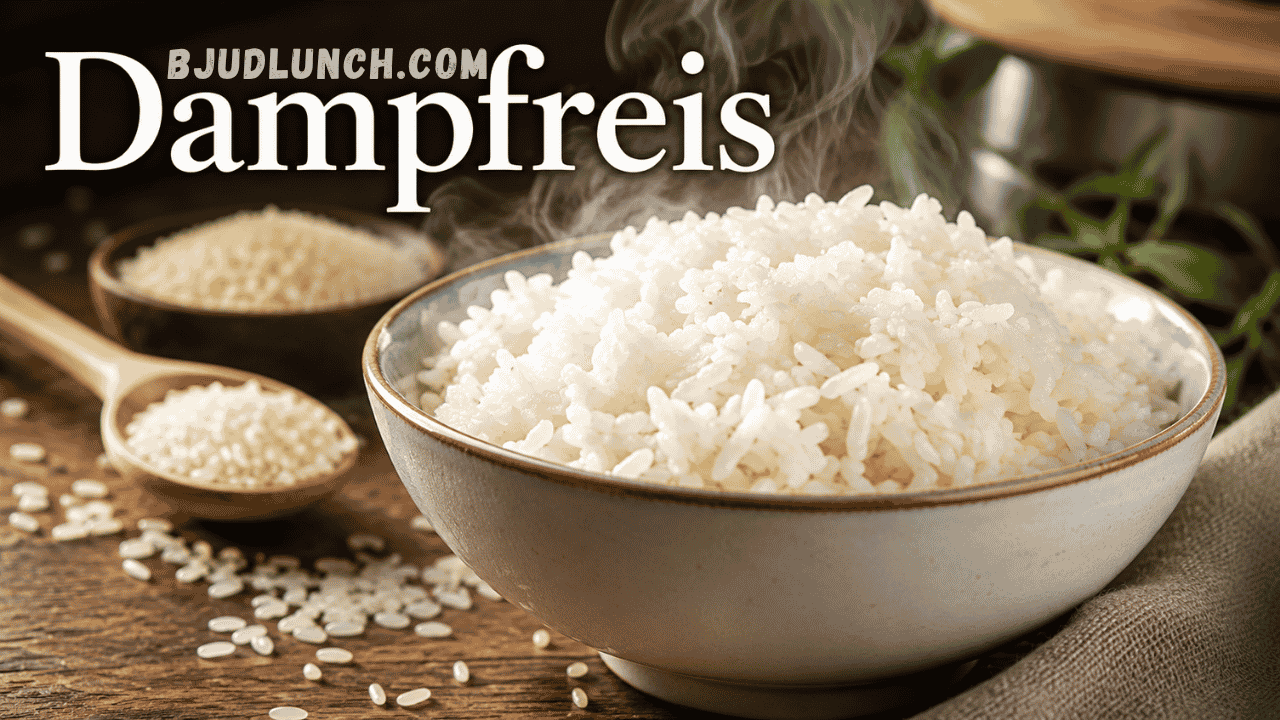
Rice is one of the most widely consumed foods in the world, and every culture has developed its own methods for preparing it. Among these methods, dampfreis stands out as a simple yet effective way to achieve perfectly cooked rice with a light and fluffy texture. The term comes from the German language and refers to rice that is cooked through steam rather than being heavily boiled in water. This cooking technique helps preserve the texture of the grains while creating a versatile side dish that pairs well with countless meals.
Many people are unfamiliar with dampfreis despite having eaten steamed rice on numerous occasions. The method has gained attention because of its ability to produce rice that is less sticky and more visually appealing than some traditional boiling techniques. Whether served with vegetables, meat dishes, or flavorful sauces, dampfreis remains a popular choice among home cooks and professional chefs alike.
What Is Dampfreis?
Dampfreis is a German term that combines the words for steam and rice. It refers to rice that is cooked primarily through steam, allowing the grains to absorb moisture gradually while maintaining their structure. This process creates rice that is soft yet firm, making it suitable for a wide range of dishes.
Unlike some cooking methods where rice is submerged in large amounts of water, dampfreis relies on controlled moisture and heat. As a result, the grains tend to remain separate instead of clumping together. This characteristic makes dampfreis especially appealing for recipes where presentation and texture are important.
The Origin and Meaning of Dampfreis
The word dampfreis reflects a straightforward approach to cooking rice. In German culinary traditions, steamed rice has long been appreciated as a practical and reliable side dish. The term itself highlights the cooking process rather than a specific variety of rice.
Over time, dampfreis has become associated with rice that is carefully prepared to achieve a balanced texture. While the concept is rooted in German terminology, the technique shares similarities with rice preparation methods found in many parts of Asia and other regions. This widespread appeal demonstrates how effective steaming can be for producing consistently good results.
How Dampfreis Is Prepared
Preparing dampfreis begins with selecting quality rice and rinsing it thoroughly. Washing the rice helps remove excess starch that can cause the grains to become sticky during cooking. Once rinsed, the rice is combined with a measured amount of water and heated until steam does the majority of the cooking work.
The process requires patience because the rice must absorb moisture gradually. Maintaining the correct temperature is important to prevent uneven cooking. After the steaming process is complete, the rice is usually allowed to rest for several minutes before serving, which helps improve its texture.
Basic Steps for Making Dampfreis
- Rinse the rice until the water runs mostly clear.
- Measure the correct ratio of rice to water.
- Bring the mixture to a gentle simmer.
- Cover the pot tightly to trap steam.
- Allow the rice to cook without frequent stirring.
- Let it rest before fluffing with a fork.
These simple steps contribute to the light and fluffy consistency that makes dampfreis so popular.
Dampfreis vs Boiled Rice
One of the most common questions involves the difference between dampfreis and boiled rice. Although both methods cook rice effectively, the final results can vary significantly. Dampfreis tends to produce separate grains with a delicate texture, while boiled rice can sometimes become softer and stickier depending on the amount of water used.
Another key difference lies in moisture control. Steaming allows rice to absorb water gradually, reducing the risk of overcooking. Boiling, on the other hand, can lead to excess water absorption if the cooking time is not carefully monitored. For people who value texture and appearance, dampfreis often provides a more satisfying result.
Why Many People Prefer Dampfreis
There are several reasons why dampfreis has become a preferred cooking method in many households. The technique produces rice with a pleasant consistency that complements both simple and complex dishes. It also allows the natural flavor of the rice to remain noticeable without becoming diluted by excess water.
Another advantage is versatility. Dampfreis can be served alongside curries, grilled meats, stir-fried vegetables, and seafood dishes. Because the grains remain distinct, the rice can absorb sauces effectively while still maintaining its structure.
Key Benefits of Dampfreis
- Light and fluffy texture
- Better grain separation
- Suitable for many cuisines
- Attractive presentation on the plate
- Easy to prepare with basic equipment
These benefits explain why dampfreis continues to be valued in kitchens around the world.
Nutritional Value of Dampfreis
Rice is a major source of carbohydrates and provides energy for daily activities. Dampfreis retains the nutritional qualities of the rice variety being used while offering a cooking method that does not require additional fats or oils. This makes it a practical option for individuals seeking balanced meal choices.
The nutritional content varies depending on the type of rice selected. White rice generally provides quick energy, while brown rice contains more fiber and nutrients. Regardless of the variety, dampfreis can fit comfortably into a healthy eating plan when paired with vegetables, lean proteins, and other nutrient-rich foods.
Is Dampfreis a Healthy Choice?
Many people consider dampfreis a healthy choice because it is prepared using a straightforward cooking method. Steaming does not require heavy sauces, excessive oil, or complicated ingredients. As a result, the final dish remains relatively simple and easy to incorporate into balanced meals.
Health-conscious individuals often appreciate dampfreis because it can be customized according to dietary needs. Brown rice versions provide additional fiber, while white rice options offer a lighter texture. The ability to pair dampfreis with nutrient-dense foods further enhances its appeal as part of a healthy lifestyle.
Best Rice Varieties for Dampfreis
The quality of dampfreis depends largely on the rice variety used. Different types of rice produce distinct textures and flavors, allowing cooks to choose the option that best suits their preferences. Some varieties are particularly well suited for steaming because they maintain their shape and consistency during cooking.
Popular choices include long-grain rice, jasmine rice, and basmati rice. These varieties are known for their ability to remain fluffy after cooking. Brown rice can also be used, although it typically requires a longer steaming time.
Popular Rice Options
- Basmati rice for a fragrant aroma
- Jasmine rice for a soft texture
- Long-grain rice for excellent separation
- Brown rice for added fiber
- Medium-grain rice for a slightly tender consistency
Selecting the right rice can significantly improve the overall quality of dampfreis.
Dampfreis in Global Cuisine
Although the term dampfreis originates from Germany, steamed rice is a staple in many cultures. Across Asia, steaming is one of the most common methods of rice preparation. Countries such as China, Japan, Korea, and Thailand have long relied on similar techniques to create rice dishes that complement local flavors.
The universal appeal of dampfreis comes from its adaptability. It can serve as a simple side dish or act as the foundation for elaborate meals. This flexibility has helped steamed rice remain an essential component of countless culinary traditions.
Common Mistakes When Preparing Dampfreis
Even though dampfreis is relatively simple to make, certain mistakes can affect the final outcome. One frequent issue is using too much water, which can lead to mushy rice. Another common problem is lifting the lid repeatedly during cooking, allowing steam to escape.
Skipping the rinsing process can also result in overly sticky grains. In addition, failing to let the rice rest after cooking may prevent it from reaching its ideal texture. Paying attention to these details can make a noticeable difference in the quality of dampfreis.
Mistakes to Avoid
- Using incorrect water measurements
- Cooking at excessively high heat
- Opening the lid too often
- Neglecting to rinse the rice
- Serving immediately without resting time
Avoiding these errors helps ensure consistent results every time.
Foods That Pair Well With Dampfreis
One of the greatest strengths of dampfreis is its compatibility with a wide range of foods. The mild flavor of steamed rice allows it to complement both rich and delicate dishes. This versatility makes it a staple side dish in many households.
Dampfreis works particularly well with flavorful sauces because the grains absorb seasonings without becoming soggy. It can also balance spicy foods by providing a neutral base that softens intense flavors.
Popular pairings include:
- Chicken curry
- Beef stir-fry
- Grilled fish
- Vegetable dishes
- Teriyaki chicken
- Thai-inspired meals
These combinations highlight the adaptability of dampfreis in everyday cooking.
Conclusion
Dampfreis is more than just a German word for steamed rice. It represents a cooking method that focuses on texture, simplicity, and versatility. By using steam to cook rice gradually, dampfreis produces fluffy grains that remain separate and visually appealing. The method works well with multiple rice varieties and complements countless dishes from around the world.
Whether you are interested in improving your rice-cooking skills or exploring different culinary traditions, dampfreis offers a practical and rewarding approach. Its ease of preparation, balanced texture, and ability to pair with diverse meals make it a valuable addition to any kitchen.
FAQs
1. What does dampfreis mean?
Dampfreis is a German term that refers to rice cooked using steam, resulting in a light and fluffy texture.
2. Is dampfreis different from boiled rice?
Yes, dampfreis uses steam as the primary cooking method, while boiled rice is typically cooked in a larger quantity of water.
3. Which rice is best for dampfreis?
Basmati, jasmine, and long-grain rice are among the most popular choices for making dampfreis.
4. Is dampfreis healthy?
Dampfreis can be part of a healthy diet because it is prepared without excessive fats and pairs well with nutritious foods.
5. Why is my dampfreis sticky?
Sticky dampfreis is often caused by excess starch, too much water, or insufficient rinsing before cooking.