





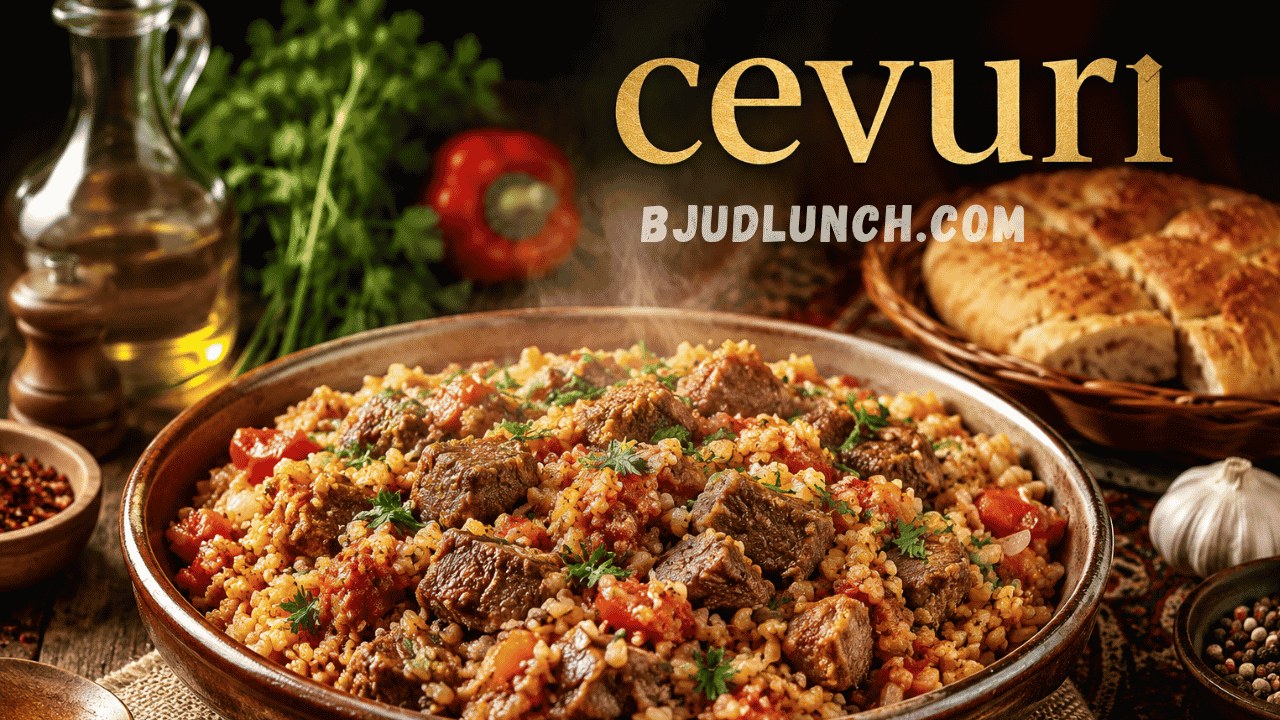
Cevurı is often described as a traditional Turkish dish that combines simple ingredients with rich flavors to create a satisfying and comforting meal. Known for its hearty texture and wholesome preparation, cevurı reflects the cooking traditions that have been passed down through generations in different parts of Turkey. The dish is commonly associated with home-cooked meals where grains, vegetables, and meat come together in a balanced and flavorful combination. Although recipes may vary from one region to another, the essence of cevurı remains rooted in traditional cooking methods and fresh ingredients. Today, interest in cevurı continues to grow among food enthusiasts who enjoy exploring authentic dishes from different cultures.
Understanding the Origins of Cevurı
The history of cevurı is closely connected to the rural cooking traditions of Turkey. In many farming communities, families relied on locally available ingredients to prepare filling meals that could feed several people. As a result, dishes like cevurı became popular because they were affordable, nutritious, and easy to adapt according to seasonal ingredients. Over time, families developed their own versions of the recipe, creating regional variations while preserving the dish’s traditional character.
The popularity of cevurı can be linked to its versatility. Households could prepare it with different types of meat, vegetables, and grains depending on availability. This flexibility allowed the dish to remain relevant across generations and geographic regions. While modern cooking techniques have influenced many traditional recipes, cevurı continues to represent the value of simple ingredients prepared with care and patience.
What Makes Cevurı Unique
One of the defining characteristics of cevurı is the way it combines multiple food groups into a single meal. Unlike dishes that focus primarily on meat or grains, cevurı brings together a variety of ingredients that contribute to its balanced flavor profile. The slow cooking process allows the ingredients to absorb each other’s flavors, creating a rich and satisfying result.
Another feature that sets cevurı apart is its adaptability. Some recipes emphasize grains such as bulgur, while others focus more heavily on vegetables or meat. Despite these differences, the overall goal remains the same: creating a hearty dish that provides comfort and nourishment. This adaptability has helped cevurı remain a valued part of traditional Turkish cuisine.
Traditional Ingredients Used in Cevurı
The ingredients used in cevurı may vary depending on regional preferences and family traditions. However, several components are commonly found in many versions of the dish. These ingredients contribute to the texture, flavor, and nutritional value that make cevurı popular among those who enjoy traditional comfort foods.
Common ingredients often include:
- Bulgur or cracked wheat
- Lamb, chicken, or beef
- Onions
- Tomatoes
- Bell peppers
- Garlic
- Olive oil
- Traditional spices
- Fresh herbs
These ingredients work together to create the distinctive taste associated with cevurı. While some cooks prefer a meat-heavy version, others may focus on vegetables and grains to produce a lighter variation of the dish.
The Role of Grains in Cevurı
Grains play a significant role in the preparation of cevurı. Bulgur is frequently used because it absorbs flavors well while providing a satisfying texture. As the grains cook alongside vegetables and meat, they become infused with the natural juices released during the cooking process. This creates a dish that feels complete and balanced without requiring many additional side items.
The use of grains also reflects the agricultural heritage of the regions where cevurı developed. Bulgur has long been a staple ingredient in Turkish cuisine due to its affordability and nutritional value. By incorporating grains into cevurı, families were able to prepare filling meals that could serve multiple people while making efficient use of available resources.
How Cevurı Is Traditionally Prepared
Preparing cevurı typically involves a slow and methodical cooking process. The ingredients are added in stages to ensure that each component develops its flavor properly. While specific techniques vary among households, the general approach remains similar across many traditional recipes.
The preparation process often includes:
- Chopping vegetables into small pieces
- Browning the meat in olive oil
- Adding onions and garlic for flavor
- Mixing in tomatoes and peppers
- Incorporating grains such as bulgur
- Simmering the mixture slowly
- Adjusting seasoning before serving
The slow cooking method is important because it allows the flavors to blend together naturally. This creates the rich and comforting taste that many people associate with cevurı.
Flavor Profile and Texture of Cevurı
The flavor of cevurı is often described as savory, rich, and satisfying. The combination of vegetables, grains, and meat creates layers of flavor that develop during cooking. Garlic and onions contribute depth, while tomatoes add mild sweetness and acidity. Herbs and spices further enhance the overall taste without overwhelming the dish.
Texture is another important aspect of cevurı. The grains provide a soft yet slightly firm consistency, while the vegetables become tender during cooking. When meat is included, it contributes additional richness and substance. The result is a dish that feels both hearty and balanced, making it suitable for family meals and gatherings.
Nutritional Benefits of Cevurı
Many people appreciate cevurı not only for its flavor but also for its nutritional value. Because the dish contains ingredients from multiple food groups, it can provide a well-rounded meal. The specific nutritional content depends on the ingredients used, but most versions offer a combination of protein, fiber, vitamins, and minerals.
Some of the nutritional benefits associated with cevurı include:
- Protein from meat or alternative ingredients
- Fiber from grains and vegetables
- Essential vitamins from fresh produce
- Complex carbohydrates for sustained energy
- Healthy fats from olive oil
These qualities make cevurı a practical option for individuals seeking a meal that is both satisfying and nourishing. The balance of ingredients contributes to its reputation as a wholesome traditional dish.
Regional Variations of Cevurı
Like many traditional foods, cevurı has evolved differently across regions and households. Some areas favor lamb as the primary protein source, while others may use chicken or beef. In certain versions, additional vegetables are included to reflect local agricultural practices and seasonal availability.
Regional variations also influence seasoning choices. Some recipes incorporate stronger spices for a more pronounced flavor, while others focus on the natural taste of the ingredients. Despite these differences, the central concept of cevurı remains unchanged. The dish continues to represent a combination of grains, vegetables, and carefully prepared ingredients that come together in a single comforting meal.
Meat-Based Variations
Many traditional versions of cevurı include lamb or beef. These proteins contribute richness and create a more substantial meal. Slow cooking helps tenderize the meat while allowing it to absorb the surrounding flavors. This approach results in a deeply satisfying dish often served during family gatherings.
Vegetarian Variations
Vegetarian versions of cevurı replace meat with additional vegetables or legumes. Chickpeas, beans, and seasonal produce are often used to maintain texture and nutritional value. These adaptations demonstrate the flexibility of cevurı and its ability to accommodate different dietary preferences without losing its traditional appeal.
Best Ways to Serve Cevurı
Serving cevurı alongside complementary foods can enhance the overall dining experience. While the dish is filling enough to stand on its own, many people enjoy pairing it with traditional accompaniments that add freshness and contrast.
Popular serving options include:
- Plain yogurt
- Fresh green salad
- Traditional flatbread
- Pickled vegetables
- Herb-based side dishes
These additions balance the richness of cevurı while introducing different textures and flavors to the meal. They also reflect common serving traditions found in Turkish cuisine.
Why Cevurı Continues to Attract Food Enthusiasts
Interest in traditional foods has increased as more people seek authentic culinary experiences. Cevurı appeals to those who appreciate dishes with cultural significance and straightforward preparation methods. The use of everyday ingredients combined with traditional cooking techniques gives the dish a timeless quality that remains relevant today.
Food enthusiasts are also drawn to cevurı because it showcases how simple ingredients can create complex flavors. Rather than relying on elaborate preparation or expensive components, the dish emphasizes patience, balance, and attention to detail. These qualities help explain why cevurı continues to gain recognition among people interested in traditional cuisine.
Conclusion
Cevurı stands as a meaningful example of traditional Turkish cooking, bringing together grains, vegetables, meat, and carefully selected seasonings in a single satisfying dish. Its origins in rural communities highlight the importance of resourceful cooking and family-centered meals. Over time, cevurı has evolved through regional variations while preserving the core characteristics that define its identity. The combination of rich flavor, nutritional value, and cultural significance continues to make cevurı appealing to modern food enthusiasts. Whether prepared using a traditional recipe or adapted to personal preferences, cevurı remains a comforting dish that reflects the enduring traditions of Turkish cuisine.
Frequently Asked Questions
1. What is cevurı?
Cevurı is commonly described as a traditional Turkish-style dish made with grains, vegetables, seasonings, and often meat. It is known for its hearty texture and comforting flavor.
2. What ingredients are typically used in cevurı?
Common ingredients include bulgur, onions, tomatoes, peppers, garlic, olive oil, herbs, and meat such as lamb, chicken, or beef.
3. Can cevurı be prepared without meat?
Yes, vegetarian versions of cevurı are often made using legumes and additional vegetables while maintaining the dish’s traditional character.
4. What does cevurı taste like?
Cevurı typically has a savory and rich flavor with a balanced combination of grains, vegetables, and seasonings. The slow cooking process helps create a deep and satisfying taste.
5. Is cevurı considered a healthy meal?
Many versions of cevurı provide protein, fiber, vitamins, and complex carbohydrates, making it a balanced and nutritious meal when prepared with wholesome ingredients.