









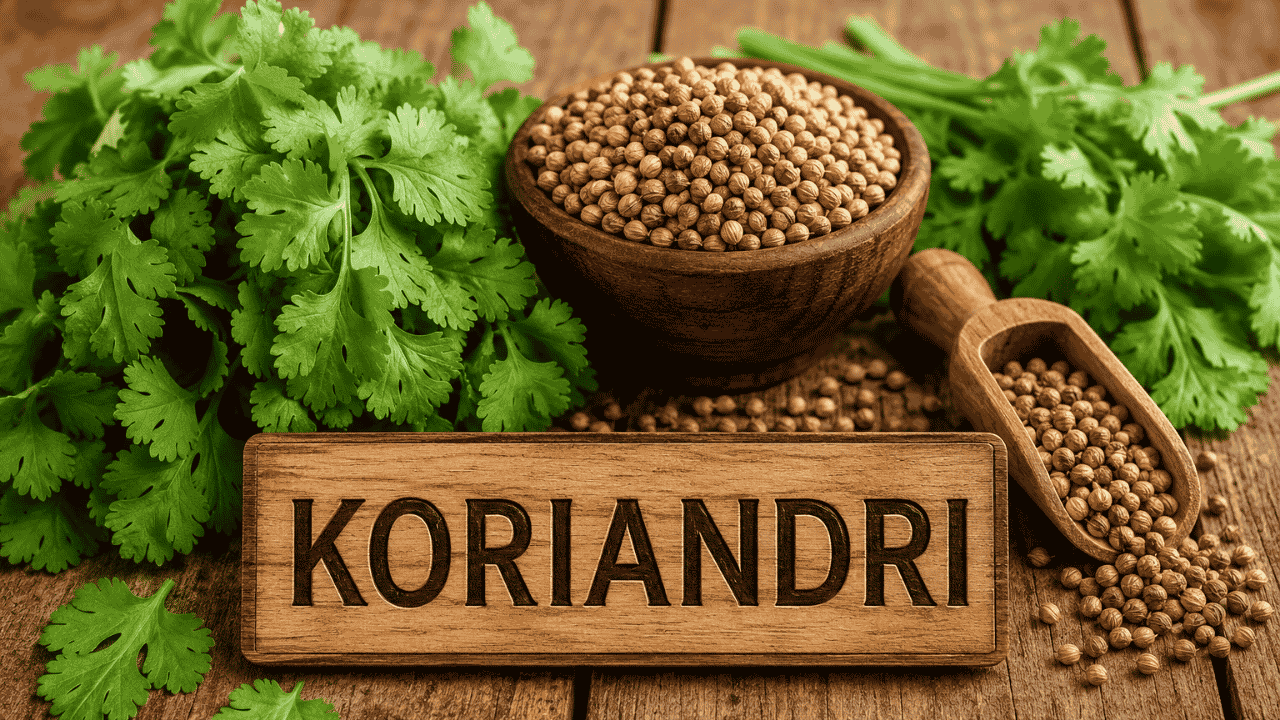
Koriandri is a well-known herb and spice that has been used in kitchens and traditional practices for centuries. It comes from the Coriandrum sativum plant, a versatile herb valued for both its fresh leaves and aromatic seeds. In many parts of the world, koriandri plays an important role in cooking because of its unique flavor and pleasant fragrance. It is commonly found in Asian, Middle Eastern, Mediterranean, and Latin American cuisines. Beyond its culinary value, koriandri is also appreciated for its nutritional content and long history of traditional use.
What Is Koriandri?
Koriandri refers to the plant Coriandrum sativum, which produces edible leaves and seeds. The fresh leaves are often known as cilantro in some countries, while the dried seeds are commonly called coriander seeds. Although the leaves and seeds come from the same plant, they offer different flavors and are used in different types of dishes. This unique characteristic makes koriandri one of the most versatile ingredients in the culinary world.
The plant grows best in mild climates and is cultivated in many regions across the globe. Farmers and home gardeners value it because it grows relatively quickly and requires limited maintenance. The leaves are usually harvested while fresh, whereas the seeds are collected after the plant matures. Both parts of koriandri are widely used in cooking and food preparation.
The History and Origin of Koriandri
The history of koriandri dates back thousands of years, making it one of the oldest cultivated herbs known to humans. Historical records suggest that it originated in the Mediterranean region and parts of the Middle East. Ancient civilizations used the herb in cooking, medicine, and even ceremonial practices. Archaeological findings have revealed coriander seeds in ancient settlements, demonstrating its importance throughout history.
As trade routes expanded, koriandri spread to different continents and became a staple ingredient in many cultures. It was introduced to Asia, Europe, and later the Americas, where it gained popularity in local cuisines. Over time, different regions developed their own methods of using the herb and its seeds. Today, koriandri remains an essential ingredient in countless recipes worldwide.
Understanding the Difference Between Koriandri, Coriander, and Cilantro
Many people become confused when they hear the terms koriandri, coriander, and cilantro. The confusion usually arises because different countries use different names for the same plant. In many regions, coriander refers to both the leaves and seeds of the plant. However, in North America, the fresh leaves are often called cilantro while the seeds are called coriander.
Despite the naming differences, all these terms are connected to the same plant species. The fresh leaves have a bright and slightly citrus-like flavor, while the seeds offer a warm, nutty taste. Understanding this distinction helps consumers choose the right ingredient for their recipes. Koriandri serves as a general reference to the plant and its culinary applications.
Nutritional Value of Koriandri
Koriandri contains a variety of nutrients that contribute to a balanced diet. The fresh leaves are especially rich in vitamins and minerals that support normal body functions. They contain vitamin A, vitamin C, and vitamin K, which are important for maintaining overall health. The leaves also provide antioxidants that help protect cells from oxidative stress.
The seeds offer their own nutritional advantages and are often used in spice blends around the world. They contain dietary fiber along with minerals such as calcium, magnesium, iron, and manganese. Because of their nutrient content, coriander seeds are frequently included in traditional diets. Adding koriandri to meals can enhance both flavor and nutritional value.
Key Nutrients Found in Koriandri
- Vitamin A
- Vitamin C
- Vitamin K
- Calcium
- Magnesium
- Iron
- Manganese
- Dietary fiber
- Natural antioxidants
Health Benefits Associated With Koriandri
Koriandri has attracted attention for its potential health-supporting properties. While it should not be viewed as a cure for medical conditions, it contains compounds that may contribute to overall wellness. The herb and seeds are commonly included in healthy eating patterns because they provide nutrients without adding excessive calories. Many traditional cultures have valued koriandri for generations due to its versatility and nutritional profile.
Research has highlighted the presence of antioxidants in koriandri, which help protect the body from free radical damage. Antioxidants play a role in supporting cellular health and reducing oxidative stress. The herb is also appreciated as part of a diet rich in vegetables, herbs, and natural ingredients. Including fresh koriandri in meals can be an easy way to add flavor while increasing nutrient intake.
Culinary Uses of Koriandri Around the World
One of the main reasons koriandri remains popular is its remarkable versatility in cooking. The fresh leaves are often used as a garnish or mixed directly into salads, soups, and sauces. Their refreshing flavor complements spicy dishes and adds brightness to many recipes. In several cuisines, fresh koriandri is considered an essential finishing ingredient.
The seeds are equally valuable and are commonly ground into powder or used whole. They appear in curry blends, spice rubs, marinades, and pickling mixtures. Their warm and slightly sweet flavor makes them suitable for both savory and certain baked dishes. Because the leaves and seeds taste quite different, koriandri offers multiple ways to enhance recipes.
Common Culinary Applications
- Fresh salad garnish
- Curry preparations
- Spice blends
- Soups and stews
- Marinades
- Chutneys and sauces
- Pickling mixtures
- Bread and baked goods
Why Some People Think Koriandri Tastes Like Soap
One of the most interesting facts about koriandri is that not everyone experiences its flavor in the same way. While many people enjoy its fresh and citrus-like taste, others describe it as having a soapy flavor. This difference is linked to genetics and the way certain individuals perceive specific aroma compounds found in the leaves.
Scientists have identified genetic variations that influence how people detect these compounds. As a result, two people eating the same dish may have completely different experiences. This phenomenon explains why koriandri can inspire both strong enthusiasm and strong dislike. Despite these differences, it remains one of the most widely used herbs worldwide.
Growing Koriandri at Home
Growing koriandri at home can be a rewarding experience for gardeners of all skill levels. The plant grows relatively quickly and can thrive in containers, raised beds, or traditional garden plots. It prefers well-drained soil and moderate sunlight. Regular watering helps maintain healthy growth, especially during warmer weather.
Home gardeners often choose koriandri because it provides both fresh leaves and seeds from a single plant. The leaves can be harvested as needed, while the seeds can be collected after flowering. With proper care, the plant can supply fresh ingredients for many meals. Its compact growth habit also makes it suitable for small spaces.
Basic Growing Tips
- Use well-drained soil.
- Provide moderate sunlight.
- Water consistently but avoid overwatering.
- Harvest leaves regularly.
- Allow some plants to mature for seed production.
- Protect young plants from extreme heat.
Traditional and Historical Uses of Koriandri
Throughout history, koriandri has been valued for more than just its culinary uses. Ancient societies often incorporated the herb into daily life and traditional practices. Historical texts from different regions mention its use in food preparation and herbal traditions. Its long-standing popularity reflects its importance across cultures and generations.
As civilizations exchanged goods and knowledge through trade, koriandri became increasingly widespread. Different communities adapted it to local tastes and customs. This broad adoption helped establish the herb as a global ingredient. Today, its historical significance continues to contribute to its popularity.
Potential Considerations and Allergies
Although koriandri is generally safe for most people when consumed as part of a normal diet, some individuals may experience allergies or sensitivities. Symptoms can vary depending on the individual and the amount consumed. People who suspect a food allergy should consult a qualified healthcare professional for proper evaluation.
Moderation is always important when introducing any new ingredient into a diet. Fresh herbs and spices are best enjoyed as part of balanced eating habits. Most people can consume koriandri without any issues and appreciate its flavor and nutritional value. Understanding personal sensitivities can help ensure a positive experience.
Conclusion
Koriandri is a versatile herb with a rich history, impressive nutritional profile, and countless culinary applications. From ancient civilizations to modern kitchens, it has remained a valued ingredient because of its distinctive flavor and adaptability. Whether used as fresh leaves or aromatic seeds, koriandri contributes both taste and nutrition to a wide variety of dishes. Its global popularity reflects centuries of cultural appreciation and practical use. For anyone interested in cooking, gardening, or learning about traditional herbs, koriandri remains a fascinating and valuable plant worth exploring.
Frequently Asked Questions
1. What is koriandri?
Koriandri is another name associated with the Coriandrum sativum plant, whose leaves and seeds are widely used in cooking around the world.
2. Is koriandri the same as cilantro?
Yes, the fresh leaves of the koriandri plant are often called cilantro in North America, while other regions may refer to them as coriander leaves.
3. What nutrients are found in koriandri?
Koriandri contains vitamins A, C, and K, along with minerals such as calcium, magnesium, iron, and manganese.
4. Why do some people dislike the taste of koriandri?
Certain genetic traits can affect how people perceive the aroma compounds in koriandri, causing some individuals to describe its flavor as soapy.
5. Can koriandri be grown at home?
Yes, koriandri is relatively easy to grow in gardens, containers, or raised beds with proper sunlight, soil, and watering conditions.