








In Sweden, social customs often reflect values such as equality, trust, and respect. One tradition that captures these values particularly well is Bjudlunch. While it may appear to be a simple invitation to lunch, the concept carries a deeper meaning that goes beyond sharing a meal. It creates opportunities for people to connect, exchange ideas, and strengthen relationships in a relaxed setting. As workplace culture continues to evolve, Bjudlunch remains a relevant practice that highlights the importance of human connection.
What Is Bjudlunch?
Bjudlunch is a Swedish term that refers to inviting someone to lunch and paying for the meal. The word combines the Swedish verb associated with treating or inviting someone and the word for lunch. While the act itself is straightforward, the purpose behind it often involves building goodwill and creating a welcoming atmosphere. In many situations, Bjudlunch serves as a gesture of appreciation, friendship, or professional respect.
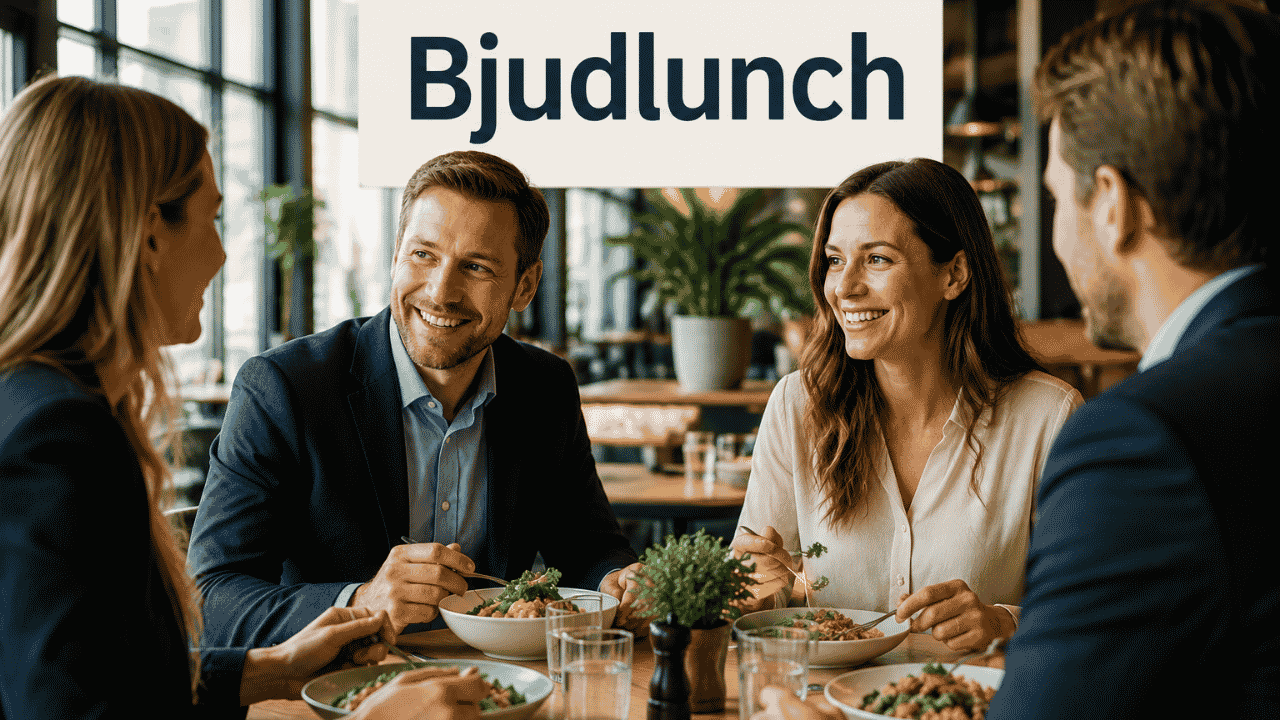
Unlike formal business events or structured meetings, Bjudlunch encourages open conversation. The lunch setting allows people to communicate naturally without the pressure often found in office environments. Whether the participants are colleagues, clients, friends, or business partners, the experience is designed to strengthen relationships. This focus on connection has made Bjudlunch a recognized part of Swedish social and professional culture.
The Cultural Meaning Behind Bjudlunch
The popularity of Bjudlunch is closely connected to Swedish cultural values. Swedish society places a strong emphasis on equality and mutual respect, and these principles are reflected in everyday interactions. Inviting someone to lunch is not usually viewed as a display of status or wealth. Instead, it is often seen as a gesture that promotes trust and friendship.
Bjudlunch also reflects the belief that meaningful conversations happen when people feel comfortable. Sharing a meal removes many of the barriers that can exist during formal discussions. Participants can speak openly, exchange perspectives, and develop a stronger understanding of one another. This approach contributes to healthier personal and professional relationships.
Values Commonly Associated with Bjudlunch
- Trust and openness
- Hospitality and generosity
- Mutual respect
- Relationship building
- Social equality
- Genuine conversation
These values help explain why Bjudlunch continues to play an important role in Swedish culture today.
The History and Development of Bjudlunch
The roots of Bjudlunch can be linked to long-standing Scandinavian traditions of hospitality. Communities throughout the Nordic region have historically valued social gatherings centered around food. Meals provided opportunities for families, neighbors, and colleagues to come together and strengthen social bonds. Over time, these traditions evolved into modern practices that remain relevant in contemporary society.
As workplaces became more collaborative and less hierarchical, Bjudlunch gained additional significance. Organizations began recognizing the value of informal interactions outside meeting rooms. Lunch invitations created opportunities for employees and business partners to discuss ideas in a more relaxed environment. This evolution helped establish Bjudlunch as both a social and professional practice.
How Bjudlunch Works in Everyday Life
In daily life, Bjudlunch can take many forms. A friend may invite another friend to lunch as a way of catching up after a long period apart. A manager may invite a team member to discuss career development in a comfortable setting. Business professionals may use Bjudlunch to establish rapport before entering formal negotiations.
The atmosphere is typically casual and welcoming. Conversations often begin with personal topics before naturally moving toward work-related matters when appropriate. This relaxed structure encourages authenticity and helps participants feel more comfortable. As a result, discussions tend to be more productive and meaningful.
Bjudlunch and Swedish Workplace Culture
One reason Bjudlunch remains important is its connection to workplace culture. Swedish organizations are known for promoting collaboration and minimizing rigid hierarchies. Employees are often encouraged to share ideas openly, regardless of their position within a company. Bjudlunch supports this approach by creating a setting where everyone can communicate more freely.
When colleagues share lunch together, they often discover common interests and develop stronger working relationships. These connections can improve teamwork and create a more positive work environment. In many cases, employees feel more comfortable discussing challenges and opportunities during a lunch meeting than in a formal office setting. This makes Bjudlunch a valuable tool for workplace communication.
The Role of Bjudlunch in Business Networking
Business networking is another area where Bjudlunch has proven highly effective. Traditional networking events can sometimes feel formal and transactional. In contrast, lunch meetings provide a more personal environment where relationships can develop naturally. This often leads to stronger and more lasting professional connections.
Many professionals use Bjudlunch as a way to establish trust before discussing business opportunities. The shared experience of a meal helps create a positive atmosphere and encourages open dialogue. Instead of focusing immediately on contracts or negotiations, participants can first build a foundation of mutual understanding. This approach often leads to better long-term outcomes.
Benefits of Bjudlunch for Business Relationships
- Encourages honest communication
- Creates a relaxed meeting environment
- Helps establish trust between parties
- Supports long-term professional partnerships
- Reduces pressure during initial discussions
- Promotes stronger networking opportunities
These advantages explain why Bjudlunch continues to be appreciated in professional settings.
Bjudlunch Compared to Fika
Many people who learn about Swedish culture are familiar with fika, the tradition of taking a coffee break with colleagues or friends. While both practices encourage social interaction, there are important differences between them. Fika is generally shorter and often involves coffee, tea, and light snacks. Bjudlunch, on the other hand, revolves around a full meal and usually allows for longer conversations.
The two traditions share a common goal of bringing people together. However, Bjudlunch often provides more time for in-depth discussions and relationship building. Because lunch meetings typically last longer than coffee breaks, participants can explore topics in greater detail. This makes Bjudlunch particularly valuable for networking and professional development.
Why Shared Meals Strengthen Human Connections
The success of Bjudlunch is supported by a simple reality: people connect through shared experiences. Eating together creates a sense of comfort and familiarity that encourages conversation. Throughout history, meals have served as important social events where individuals exchange ideas, stories, and perspectives.
When people sit down for lunch, they are often more relaxed and receptive than they would be during a formal meeting. This environment promotes active listening and meaningful dialogue. As trust develops, participants become more willing to share their thoughts and collaborate effectively. Bjudlunch takes advantage of these natural human tendencies to strengthen relationships.
Lessons Other Countries Can Learn from Bjudlunch
The principles behind Bjudlunch are not limited to Sweden. Organizations and individuals around the world can benefit from adopting similar practices. In many workplaces, communication challenges arise because interactions are confined to formal meetings and digital messages. Creating opportunities for informal conversations can help address these issues.
Bjudlunch demonstrates that strong relationships often begin with simple gestures. Inviting someone to lunch can open the door to valuable discussions and new opportunities. Whether the goal is improving teamwork, strengthening client relationships, or building friendships, the practice offers practical benefits. Its success shows that meaningful connections are often built through genuine human interaction rather than complex strategies.
Practical Ways to Apply the Bjudlunch Approach
- Invite colleagues to informal lunch discussions
- Meet potential clients in a relaxed setting
- Use lunch meetings to strengthen team relationships
- Focus on listening rather than immediate business goals
- Encourage open and respectful conversations
- Build trust before discussing major decisions
These simple actions reflect the spirit of Bjudlunch and can be adapted to many different environments.
The Continued Relevance of Bjudlunch
Despite advances in technology and the growth of remote communication, face-to-face interaction remains valuable. Video calls and digital messaging provide convenience, but they often lack the personal connection that develops during shared experiences. Bjudlunch offers a reminder that relationships still matter in both personal and professional life.
As organizations seek better ways to engage employees and strengthen workplace culture, traditions like Bjudlunch continue to attract attention. The practice aligns with modern priorities such as collaboration, trust, and employee well-being. Its lasting appeal demonstrates that simple acts of generosity can have a meaningful impact on relationships.
Conclusion
Bjudlunch is much more than an invitation to lunch. It represents a Swedish tradition built on trust, hospitality, respect, and meaningful conversation. Whether used among friends, colleagues, or business partners, Bjudlunch creates opportunities to strengthen relationships in a relaxed and welcoming environment. Its influence can be seen in Swedish workplace culture, business networking practices, and everyday social interactions.
The enduring popularity of Bjudlunch highlights the value of genuine human connection. By bringing people together over a shared meal, it encourages open communication and mutual understanding. In a world increasingly shaped by digital interactions, the principles behind Bjudlunch remain both practical and relevant. The tradition serves as a reminder that some of the strongest relationships begin with a simple invitation to lunch.
FAQs
1. What does Bjudlunch mean?
Bjudlunch is a Swedish term that refers to inviting someone to lunch and paying for the meal as a gesture of hospitality, appreciation, or relationship building.
2. Why is Bjudlunch important in Sweden?
Bjudlunch reflects Swedish values such as trust, equality, generosity, and open communication, making it an important part of social and professional culture.
3. How is Bjudlunch used in business?
Businesses use Bjudlunch to build trust, strengthen client relationships, encourage networking, and create a more relaxed environment for discussions.
4. What is the difference between Bjudlunch and fika?
Fika is a coffee break tradition involving light refreshments, while Bjudlunch centers around a full lunch meal and often allows for longer, more detailed conversations.
5. Can the concept of Bjudlunch be applied outside Sweden?
Yes, the principles behind Bjudlunch can be applied anywhere to improve workplace communication, strengthen relationships, and encourage meaningful social interactions.