






Food traditions often carry stories that stretch across generations, preserving local ingredients, cooking methods, and cultural identity. One term that has attracted growing interest among food enthusiasts is piçada. While the meaning of piçada can vary depending on the region, it is most commonly associated with a flavorful mixture used in cooking or a shared food experience centered around community and tradition. The rich culinary heritage connected to piçada has made it a fascinating subject for home cooks, travelers, and food historians alike. Understanding the origins and uses of piçada offers valuable insight into how simple ingredients can create memorable dishes.
Understanding the Meaning of piçada
The term piçada is connected to culinary traditions that emphasize flavor, texture, and communal dining. In some food cultures, piçada refers to a finely prepared mixture of ingredients that is added to dishes to enhance their taste and consistency. In other regions, piçada is linked to shared platters filled with meats, bread, cheeses, and accompaniments designed for social gatherings. These different interpretations highlight the versatility of piçada within the culinary world.
What makes piçada especially interesting is its ability to represent both a cooking technique and a dining experience. Rather than being limited to a single recipe, piçada has evolved according to local customs and available ingredients. This flexibility has helped maintain its relevance across generations. As a result, piçada continues to be appreciated in both traditional kitchens and modern food establishments.
The Historical Roots of piçada
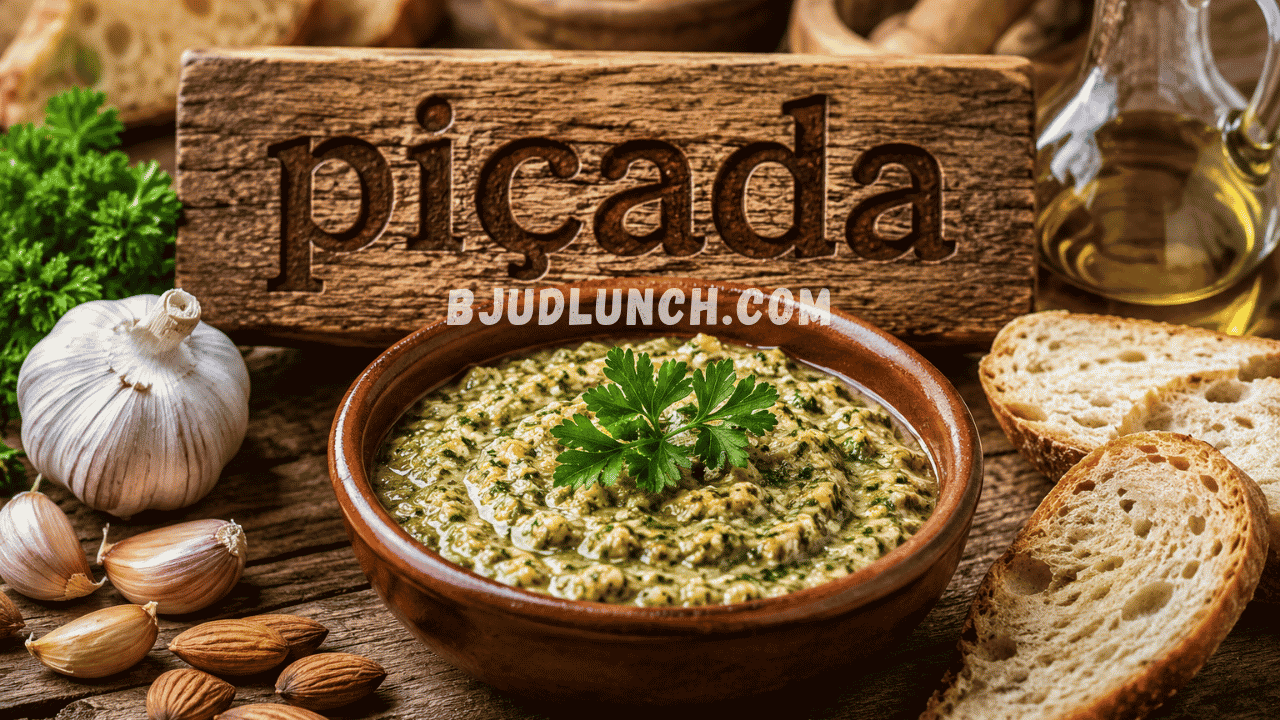
The history of piçada is closely tied to Mediterranean and Latin culinary traditions. Many historians believe that the concept developed from practical cooking methods that relied on grinding nuts, herbs, bread, and spices into a flavorful paste. These mixtures were used to enrich stews and soups while maximizing the flavor of simple ingredients. Over time, these preparations became an essential part of regional cuisines.
As trade routes expanded, ingredients such as almonds, saffron, olive oil, and garlic became more widely available. Cooks began incorporating these ingredients into their versions of piçada, creating distinctive regional variations. The preparation was often made by hand using a mortar and pestle, allowing cooks to control the texture and consistency. This traditional technique remains popular among those who value authentic cooking methods.
The Role of Tradition in Preserving piçada
Food traditions survive because communities continue to pass them down through generations. Piçada is a perfect example of this process. Families often share recipes and preparation techniques that have remained unchanged for decades. These traditions help preserve cultural identity while maintaining a connection to the past.
Many regional celebrations and family gatherings still feature dishes prepared with piçada. The continued use of these recipes demonstrates how deeply rooted the tradition remains. Even as modern cooking equipment becomes more common, many people still prefer traditional preparation methods to achieve authentic flavor.
Key Ingredients Commonly Found in piçada
One reason piçada has remained popular is the simplicity of its ingredients. Although recipes vary, certain components frequently appear in traditional preparations. These ingredients work together to create a rich and balanced flavor profile.
Common ingredients include:
- Almonds
- Garlic
- Olive oil
- Fresh parsley
- Bread
- Saffron
- Nuts
- Herbs and spices
Each ingredient contributes something unique to the final result. Almonds provide richness and texture, while garlic adds depth and aroma. Olive oil helps bind the mixture together and enhances its smooth consistency. The combination creates a versatile preparation that complements many dishes.
How piçada Enhances Traditional Dishes
One of the most important functions of piçada is its ability to transform ordinary dishes into flavorful meals. A small amount can significantly improve the taste and texture of soups, stews, seafood, and meat recipes. The ingredients blend into the cooking liquid, creating a richer and more satisfying result.
Many cooks add piçada toward the end of the cooking process. This allows the flavors to remain vibrant while still integrating into the dish. The technique also helps thicken sauces naturally without relying on artificial ingredients. Because of its versatility, piçada has become a valued component in many traditional recipes.
Popular Dishes That Use piçada
A wide variety of dishes benefit from the addition of piçada. While specific recipes vary by region, several categories commonly feature this flavorful mixture.
Examples include:
- Seafood stews
- Braised chicken dishes
- Vegetable soups
- Slow-cooked meat recipes
- Rice-based meals
- Traditional casseroles
The adaptability of piçada allows cooks to experiment with different ingredients while maintaining the essence of the tradition. This flexibility contributes to its enduring popularity.
piçada and the Art of Communal Dining
Beyond its role as a cooking ingredient, piçada is also associated with communal dining traditions in some regions. Large platters featuring cured meats, cheeses, bread, olives, and accompaniments are often shared among family members and friends. These gatherings emphasize hospitality, conversation, and togetherness.
The communal aspect of piçada reflects an important cultural value. Food becomes more than nourishment; it serves as a means of strengthening social bonds. Guests are encouraged to sample different items and enjoy a relaxed dining experience. This approach to eating has helped keep the tradition alive across generations.
Why Shared Meals Matter
Shared meals play an important role in many cultures around the world. The concept associated with piçada encourages interaction and creates opportunities for meaningful connections. People gather around the table not only to eat but also to celebrate relationships and traditions.
Benefits of communal dining include:
- Stronger family connections
- Enhanced cultural appreciation
- More relaxed dining experiences
- Greater variety of foods to enjoy
- Opportunities for storytelling and conversation
These advantages help explain why traditions connected to piçada continue to attract interest today.
piçada Compared to Other Flavorful Preparations
Many food enthusiasts compare piçada to other well-known sauces and mixtures. While similarities exist, piçada possesses several distinctive characteristics that set it apart. The inclusion of bread, nuts, and specific herbs creates a texture and flavor profile unlike many other culinary preparations.
Another unique aspect of piçada is its dual identity. It can function as both a flavor-enhancing ingredient and a symbol of communal dining. Few culinary traditions occupy both roles so effectively. This versatility allows piçada to remain relevant across different cuisines and cooking styles.
Modern Interpretations of piçada
Contemporary chefs have embraced piçada by adapting traditional recipes to suit modern tastes. Some versions incorporate additional herbs, roasted vegetables, or alternative nuts. Others focus on creating lighter variations while preserving the original flavor profile. These innovations demonstrate the adaptability of piçada in today’s culinary landscape.
Restaurants and food bloggers have also contributed to renewed interest in piçada. By introducing the tradition to new audiences, they help preserve its cultural significance while encouraging experimentation. As a result, piçada continues to evolve without losing its connection to history.
Tips for Making piçada at Home
Preparing piçada at home can be a rewarding culinary experience. Traditional methods remain popular, but modern equipment can also produce excellent results. The key is selecting quality ingredients and balancing the flavors carefully.
Helpful tips include:
- Use fresh herbs whenever possible.
- Choose high-quality olive oil.
- Toast nuts lightly for added flavor.
- Add ingredients gradually to control texture.
- Adjust seasoning according to personal preference.
Following these guidelines can help create a flavorful and authentic version of piçada suitable for a variety of dishes.
Cultural Importance of piçada in Contemporary Food Culture
The growing interest in traditional foods has increased awareness of culinary practices like piçada. Consumers increasingly seek authentic experiences that connect them to regional history and heritage. Piçada satisfies this desire by offering both cultural significance and culinary versatility.
Food festivals, cooking classes, and culinary tourism have also helped introduce piçada to broader audiences. Travelers often seek opportunities to learn about traditional cooking methods and local specialties. Through these experiences, piçada continues to gain recognition beyond its regions of origin.
Conclusion
Piçada represents much more than a simple food preparation. It reflects centuries of culinary knowledge, regional identity, and community traditions that continue to influence modern cooking. Whether used as a flavorful mixture that enriches stews and sauces or enjoyed as part of a communal dining experience, piçada demonstrates the enduring appeal of traditional food culture. Its combination of simple ingredients, rich history, and versatility has helped preserve its place in kitchens and dining tables across generations. As interest in authentic cuisine continues to grow, piçada remains a valuable example of how food can connect people to both heritage and flavor.
Frequently Asked Questions
1. What is piçada?
Piçada is a culinary tradition associated with a flavorful mixture of ingredients such as nuts, bread, herbs, garlic, and olive oil, or in some regions, a shared food platter enjoyed during social gatherings.
2. What ingredients are commonly used in piçada?
Traditional piçada often includes almonds, garlic, olive oil, parsley, bread, saffron, and other herbs or spices depending on regional preferences.
3. How is piçada used in cooking?
Piçada is typically added to soups, stews, seafood dishes, and meat recipes to enhance flavor, improve texture, and naturally thicken sauces.
4. Is piçada similar to pesto?
While both preparations use herbs and oil, piçada usually includes bread and nuts in different proportions, resulting in a distinct texture and flavor profile.
5. Why is piçada important in food culture?
Piçada preserves culinary heritage, supports communal dining traditions, and showcases the creativity of regional cooking practices that have been passed down through generations.