







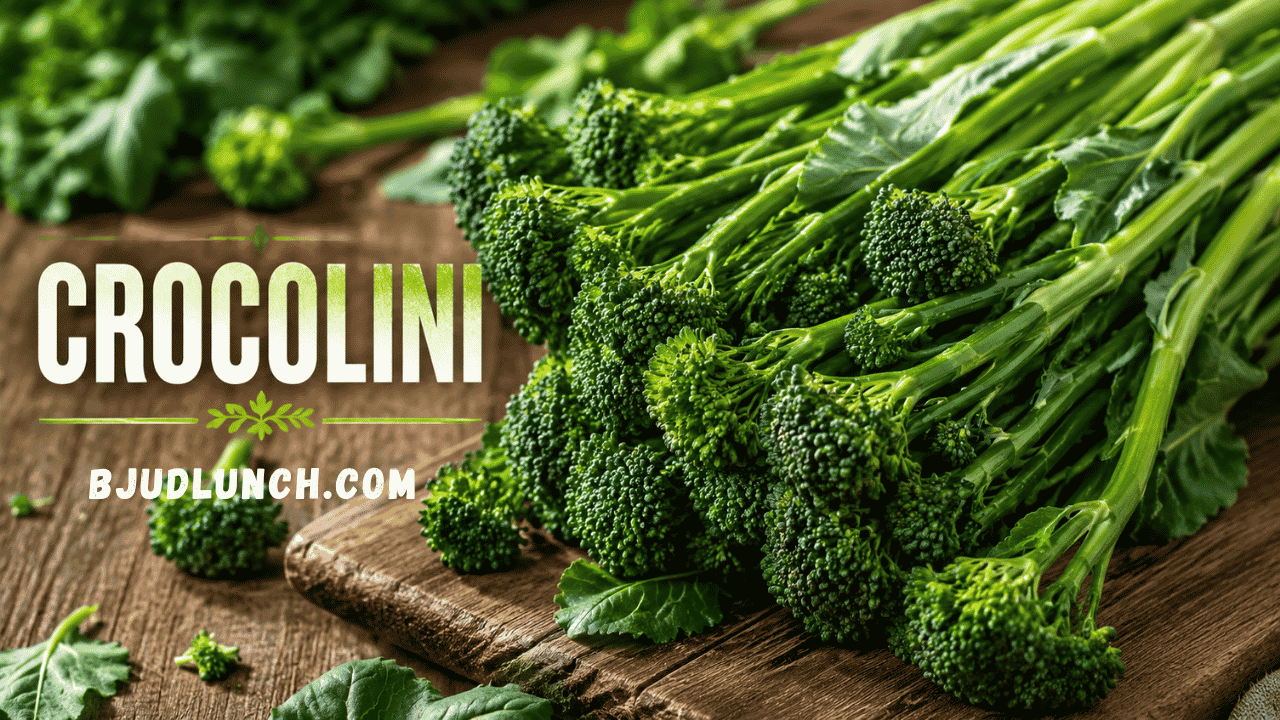
Crocolini is gaining attention among people who enjoy fresh vegetables and healthy eating habits. Known for its tender stems, delicate florets, and mild flavor, crocolini offers a unique alternative to traditional broccoli. Many people appreciate this vegetable because it cooks quickly and works well in a variety of dishes. Whether roasted, steamed, grilled, or stir-fried, crocolini can easily become part of a balanced diet. As interest in nutrient-rich vegetables continues to grow, crocolini is becoming a popular choice for home cooks and health-conscious consumers.
What Is Crocolini?
Crocolini is a green vegetable that closely resembles broccolini and shares characteristics with both broccoli and Chinese kale. It features long, slender stems topped with small florets that are fully edible from stem to tip. Unlike traditional broccoli, which often has thick stalks and larger crowns, crocolini has a more delicate appearance and texture. This makes it easier to prepare and cook in a shorter amount of time.
The vegetable belongs to the Brassica family, which includes broccoli, cabbage, cauliflower, and kale. Members of this family are widely recognized for their nutritional value and health benefits. Crocolini has become appealing because it combines the sweetness of Chinese kale with the familiar flavor profile of broccoli. Its versatility allows it to fit into both simple home meals and restaurant-quality dishes.
The Origin and Development of Crocolini
The development of crocolini is connected to efforts to create vegetables with improved taste and texture. Plant breeders have long experimented with crossbreeding vegetables within the Brassica family to develop varieties that appeal to consumers. Crocolini emerged as a vegetable that combines desirable qualities from related greens. The result is a product that delivers tenderness, flavor, and convenience.
Unlike genetically modified crops, crocolini is generally associated with conventional crossbreeding methods. These techniques have been used for generations to improve vegetables and fruits naturally. The goal was to produce a vegetable with sweeter stems and smaller florets while maintaining the nutritional strengths of its parent plants. Today, crocolini is often included in modern recipes that focus on fresh and wholesome ingredients.
How Crocolini Differs from Traditional Broccoli
Many people wonder how crocolini compares to ordinary broccoli. While the two vegetables share similarities, there are several noticeable differences in appearance, taste, and cooking characteristics. Understanding these distinctions can help consumers decide which option best suits their preferences.
Some key differences include:
- Crocolini has thinner and more tender stems.
- Traditional broccoli has larger florets and thicker stalks.
- Crocolini offers a slightly sweeter flavor.
- Broccoli often has a stronger and more earthy taste.
- Crocolini cooks faster than regular broccoli.
These differences make crocolini particularly attractive to people who prefer vegetables with a milder taste and softer texture. It also works well in recipes where quick cooking is important.
Taste and Texture of Crocolini
One of the main reasons people enjoy crocolini is its pleasant taste. Compared to broccoli, it has a milder flavor that contains subtle sweetness. This sweetness helps reduce the bitterness that some individuals associate with traditional broccoli. As a result, crocolini is often easier to enjoy, especially for children and people who are not regular vegetable eaters.
The texture of crocolini also contributes to its popularity. The stems remain tender even after cooking, while the florets maintain a light and delicate structure. Some people compare the texture to asparagus because of the soft stems and gentle bite. This combination of sweetness and tenderness makes crocolini suitable for a wide variety of recipes and cooking methods.
Nutritional Value of Crocolini
Crocolini is packed with nutrients that support overall health and wellness. Like other vegetables in the Brassica family, it contains vitamins, minerals, fiber, and beneficial plant compounds. These nutrients contribute to important bodily functions and make crocolini a valuable addition to a healthy diet. Since it is naturally low in calories, it can fit into many eating plans.
The vegetable is commonly associated with the following nutrients:
- Vitamin A
- Vitamin C
- Vitamin K
- Dietary fiber
- Calcium
- Iron
- Antioxidants
These nutrients help the body perform essential functions while supporting long-term health goals. Including crocolini in meals can increase vegetable intake without adding excessive calories.
Health Benefits of Crocolini
Regular consumption of nutrient-rich vegetables can contribute to better overall health. Crocolini provides several benefits because of its vitamin, mineral, and antioxidant content. The combination of these nutrients supports multiple systems throughout the body. While no single food can guarantee perfect health, crocolini can be part of a balanced and nutritious lifestyle.
Supports Immune Function
Crocolini contains vitamin C, which plays an important role in supporting the immune system. This vitamin helps the body produce and maintain healthy immune cells. Consuming foods rich in vitamin C may assist the body’s natural defenses against common illnesses. Including crocolini in regular meals can contribute to daily vitamin intake.
Promotes Digestive Health
Dietary fiber is an important component of digestive wellness, and crocolini provides a useful amount of it. Fiber supports healthy digestion by helping food move through the digestive tract efficiently. It can also contribute to feelings of fullness after meals. This benefit makes crocolini a helpful option for those looking to maintain healthy eating habits.
Contributes to Bone Health
Vitamin K and calcium are both important for maintaining strong bones. Crocolini contains these nutrients, making it a valuable vegetable for supporting skeletal health. Regular intake of foods that contain calcium and vitamin K may help maintain bone density over time. This is especially important as people age and seek ways to support long-term mobility.
Provides Antioxidant Protection
Crocolini contains antioxidants that help protect cells from damage caused by free radicals. Antioxidants are found naturally in many vegetables and are associated with overall wellness. These compounds help support the body’s natural defense systems. Including antioxidant-rich foods like crocolini can be part of a healthy lifestyle focused on long-term well-being.
Popular Ways to Cook Crocolini
One of the advantages of crocolini is its versatility in the kitchen. Because the stems are tender and the florets are small, it cooks quickly and easily. This allows people to prepare nutritious meals without spending a significant amount of time cooking. Different cooking methods can highlight different aspects of its flavor and texture.
Roasting Crocolini
Roasting is one of the most popular ways to prepare crocolini. The dry heat helps bring out the vegetable’s natural sweetness while creating slightly crisp edges. A simple seasoning of olive oil, garlic, salt, and pepper often works well. Roasted crocolini can serve as a side dish for meat, fish, or vegetarian meals.
Steaming Crocolini
Steaming preserves much of the vegetable’s natural color and texture. This method keeps the stems tender while preventing them from becoming overly soft. Many people choose steaming when they want a lighter preparation style. Steamed crocolini can be finished with lemon juice or a small amount of seasoning for added flavor.
Stir-Frying Crocolini
Stir-frying allows crocolini to absorb flavors from sauces, herbs, and spices. Because it cooks quickly, it works especially well in Asian-inspired dishes. The stems remain crisp-tender while the florets develop a pleasant texture. Stir-fried crocolini pairs well with rice, noodles, and protein-rich ingredients.
Grilling Crocolini
Grilling adds a smoky flavor that enhances the vegetable’s natural sweetness. The direct heat creates attractive grill marks and a slightly charred finish. Crocolini can be grilled whole or cut into smaller portions. This method is particularly popular during outdoor cooking seasons.
Why Crocolini Is Becoming More Popular
The growing popularity of crocolini can be linked to changing consumer preferences. Many people are searching for vegetables that offer both nutrition and convenience. Crocolini fits this demand because it is easy to cook, pleasant to eat, and versatile in recipes. Its mild flavor also appeals to a wider audience than some traditional vegetables.
Another factor contributing to its popularity is the increased focus on healthy eating. Consumers are paying closer attention to nutrient-rich foods that support overall wellness. Crocolini provides vitamins, minerals, fiber, and antioxidants while remaining low in calories. These qualities make it attractive to individuals seeking healthier meal options.
Best Ways to Include Crocolini in Your Diet
Adding crocolini to everyday meals is simple because it complements many foods. Its mild flavor allows it to blend naturally into a variety of dishes without overpowering other ingredients. Whether served as a side dish or included in a main course, crocolini can contribute valuable nutrients to the diet.
Here are some practical ways to enjoy crocolini:
- Add it to pasta dishes.
- Include it in vegetable stir-fries.
- Serve it alongside grilled chicken or fish.
- Mix it into salads after lightly steaming.
- Use it in grain bowls with rice or quinoa.
- Pair it with roasted vegetables.
These options make it easy to enjoy crocolini throughout the week while maintaining variety in meal planning.
Conclusion
Crocolini is a versatile and nutritious vegetable that combines the best qualities of broccoli and Chinese kale. Its tender stems, mild sweetness, and delicate texture make it appealing to a wide range of people. Rich in vitamins, minerals, fiber, and antioxidants, crocolini supports overall health while fitting easily into balanced eating habits. It can be roasted, steamed, grilled, or stir-fried, making it suitable for countless recipes. As more people discover its flavor, convenience, and nutritional value, crocolini is likely to continue growing in popularity as a healthy and delicious vegetable choice.
FAQs
1. What is crocolini?
Crocolini is a green vegetable with tender stems and small florets that shares similarities with broccoli and Chinese kale. It is valued for its mild flavor, sweetness, and versatility in cooking.
2. Is crocolini the same as broccoli?
No, crocolini is different from traditional broccoli. It has thinner stems, smaller florets, a sweeter taste, and a more delicate texture.
3. Can you eat the stems of crocolini?
Yes, the stems of crocolini are fully edible. In fact, the tender stems are one of the vegetable’s most appealing features.
4. What nutrients are found in crocolini?
Crocolini contains vitamins A, C, and K, along with calcium, iron, dietary fiber, and antioxidants that support overall health.
5. What is the best way to cook crocolini?
Crocolini can be roasted, steamed, stir-fried, or grilled. The best method depends on personal preference, but roasting is often favored because it enhances the vegetable’s natural sweetness.