









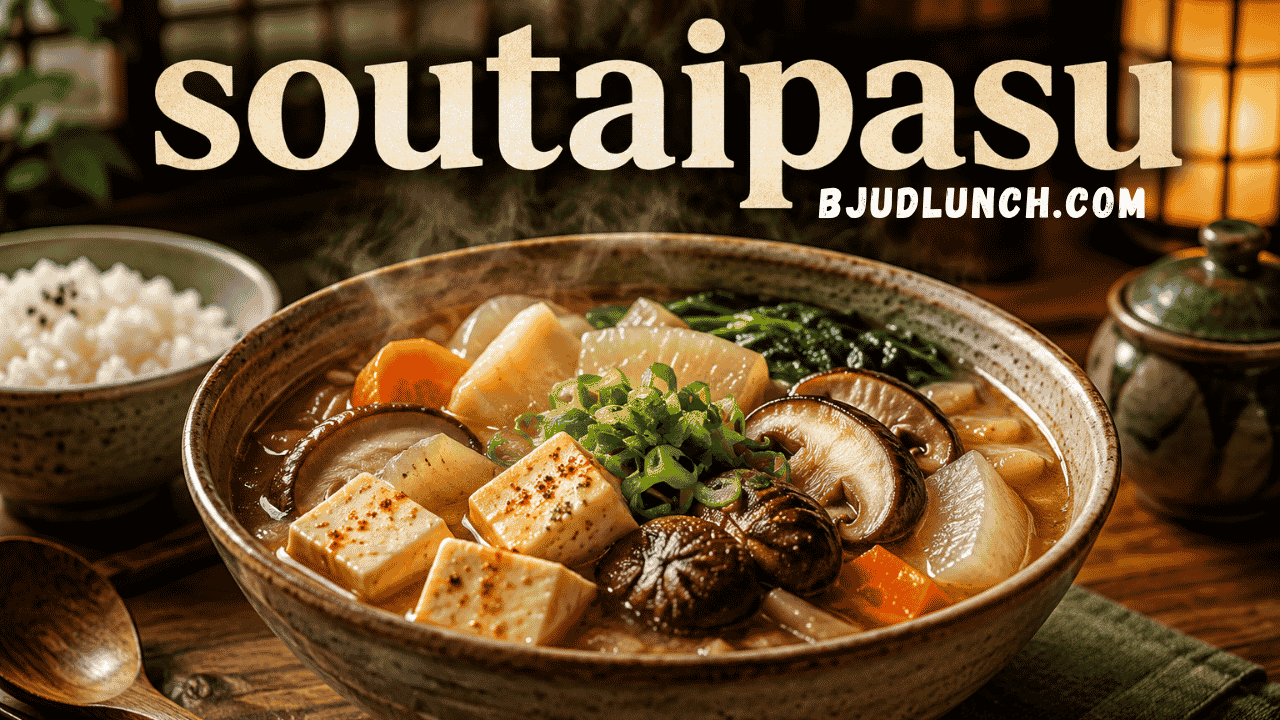
Food has always played an important role in bringing people together, preserving traditions, and creating memorable experiences. Among the many dishes that have attracted attention from food enthusiasts, soutaipasu has emerged as a fascinating topic of discussion. While it may not be as widely recognized as some famous Japanese dishes, its growing popularity has encouraged many people to learn more about its background and preparation. The appeal of soutaipasu lies in its comforting nature, balanced ingredients, and connection to traditional cooking practices. As interest in authentic and nourishing meals continues to grow, more readers are searching for information about this unique dish and its place in food culture.
Understanding the Meaning of Soutaipasu
Soutaipasu is often described as a comforting dish that emphasizes warmth, nutrition, and simple ingredients. It is associated with home-style cooking and is frequently linked to meals prepared during colder seasons. Many people view soutaipasu as a dish that reflects the idea of creating satisfying food without relying on complicated techniques or excessive seasoning. Instead, the focus remains on bringing out the natural flavors of carefully selected ingredients. This approach makes soutaipasu appealing to people who appreciate wholesome and balanced meals.
The growing interest in soutaipasu can be attributed to the increasing popularity of traditional comfort foods. Consumers today are paying closer attention to the origins of what they eat and the quality of ingredients used in cooking. As a result, dishes that emphasize simplicity and nourishment have gained attention among food lovers. Soutaipasu fits perfectly into this trend because it represents a style of cooking that values both flavor and well-being. Its reputation as a comforting and satisfying dish continues to attract curiosity from around the world.
The Origins and Background of Soutaipasu
The exact history of soutaipasu is not widely documented, which has contributed to the mystery surrounding the dish. However, it is commonly associated with traditional Japanese-inspired cooking methods that prioritize seasonal ingredients and balanced flavors. Like many comfort foods, soutaipasu is believed to have evolved from practical home cooking practices where families used locally available ingredients to create nourishing meals. These traditions often focused on creating dishes that could provide warmth and sustenance during colder months.
Over time, discussions about soutaipasu have spread through food blogs and culinary communities, leading to increased awareness of the dish. While different sources may describe it in slightly different ways, most agree that it represents a style of food centered on comfort and simplicity. This consistency in its core characteristics has helped establish a recognizable identity for soutaipasu. The dish continues to generate interest among people who enjoy exploring lesser-known culinary traditions.
Why Soutaipasu Is Considered a Comfort Food
Comfort foods are often associated with feelings of warmth, familiarity, and satisfaction. Soutaipasu has earned this reputation because of the ingredients commonly used in its preparation and the way it is traditionally served. Warm dishes naturally create a sense of comfort, especially during colder weather when hearty meals become more appealing. The textures and flavors found in soutaipasu contribute to its reputation as a meal that provides both physical and emotional satisfaction.
Another reason soutaipasu is viewed as a comfort food is its connection to home cooking. Many traditional dishes become memorable because they are prepared and shared among family members. This sense of togetherness often enhances the dining experience and creates lasting associations with certain foods. Soutaipasu reflects these qualities through its emphasis on simple preparation and nourishing ingredients. As a result, it is often described as a dish that encourages mindful and enjoyable eating.
Key Ingredients Commonly Found in Soutaipasu
One of the most interesting aspects of soutaipasu is the combination of ingredients used to create its distinctive flavor and texture. While recipes may vary, several components frequently appear in discussions about the dish. These ingredients work together to create a meal that is both flavorful and nutritious.
Common ingredients found in soutaipasu include:
- Tofu
- Miso paste
- Shiitake mushrooms
- Daikon radish
- Rice
- Seasonal vegetables
- Soy sauce
- Sesame oil
- Green onions
These ingredients are widely appreciated for their ability to contribute flavor while maintaining a balanced nutritional profile. Their natural qualities allow soutaipasu to deliver a satisfying meal without relying on excessive fats or artificial additives. This ingredient combination is one reason the dish has attracted attention from health-conscious food enthusiasts.
The Role of Tofu and Miso in Soutaipasu
Tofu and miso are often considered essential components of soutaipasu because they contribute significantly to both flavor and nutrition. Tofu provides a source of plant-based protein while offering a soft texture that absorbs surrounding flavors. Its mild taste allows it to blend seamlessly with other ingredients, making it a versatile addition to the dish. This quality helps create the balanced flavor profile that many people associate with soutaipasu.
Miso brings depth and richness to the dish through its fermented character. The savory qualities of miso help create the comforting taste that defines many traditional Japanese-inspired meals. When combined with vegetables and broth, miso creates a flavorful foundation that enhances the overall dining experience. Together, tofu and miso play a major role in shaping the identity of soutaipasu.
Seasonal Vegetables and Their Importance
Seasonal vegetables contribute freshness, color, and nutritional value to soutaipasu. Ingredients such as daikon radish, carrots, spinach, and cabbage are often used because they complement the dish’s savory elements. These vegetables also help create a balanced meal by providing fiber, vitamins, and minerals. Their inclusion reflects the traditional emphasis on using ingredients that are readily available during different times of the year.
The use of seasonal produce also adds variety to soutaipasu. Different vegetables can influence the dish’s flavor and texture, allowing cooks to adapt recipes according to personal preferences and ingredient availability. This flexibility has helped soutaipasu remain relevant to modern cooking practices while maintaining its traditional appeal. The result is a dish that feels both familiar and adaptable.
The Flavor Profile of Soutaipasu
The flavor of soutaipasu is often described as rich, balanced, and comforting. Rather than relying on strong spices, the dish focuses on creating harmony among its ingredients. Savory notes from miso and mushrooms blend with the mild sweetness of vegetables to produce a satisfying taste experience. This balance allows each ingredient to contribute without overpowering the others.
Several flavor characteristics are commonly associated with soutaipasu:
- Deep umami richness
- Mild natural sweetness
- Gentle saltiness
- Earthy vegetable notes
- Warm and soothing aromas
These qualities make soutaipasu appealing to people who appreciate subtle and well-balanced flavors. The dish demonstrates how simple ingredients can create a memorable meal when prepared thoughtfully.
Health Benefits Associated With Soutaipasu
Many of the ingredients used in soutaipasu are recognized for their nutritional value. This has contributed to the dish’s reputation as a wholesome and nourishing meal. Unlike heavily processed foods, soutaipasu emphasizes natural ingredients that provide essential nutrients while maintaining a satisfying flavor profile. This combination appeals to individuals seeking meals that support a balanced lifestyle.
Some potential benefits associated with soutaipasu include:
- Plant-based protein from tofu
- Fiber from vegetables
- Vitamins and minerals from seasonal produce
- Fermented ingredients that support digestive health
- Lower reliance on heavily processed foods
These nutritional qualities help explain why soutaipasu has attracted attention among people interested in healthy eating habits. The dish demonstrates that nutritious meals can also be flavorful and enjoyable.
Modern Variations of Soutaipasu
As food culture continues to evolve, cooks have developed new interpretations of soutaipasu while preserving its core characteristics. Modern versions may incorporate additional ingredients or alternative cooking techniques to suit different dietary preferences. These adaptations have helped introduce the dish to wider audiences and encouraged experimentation in home kitchens.
Some contemporary versions of soutaipasu include seafood-based recipes, vegan preparations, and vegetable-focused variations. Certain cooks also experiment with different grains or broths to create unique flavor combinations. Despite these changes, the central idea behind soutaipasu remains the same: creating a comforting and nourishing meal using quality ingredients. This balance between tradition and innovation has contributed to the dish’s growing popularity.
Why Food Enthusiasts Are Interested in Soutaipasu
The increasing interest in soutaipasu reflects broader trends within the food industry. Many consumers are searching for meals that offer authenticity, simplicity, and nutritional value. Dishes that tell a story and connect people to culinary traditions often stand out in today’s crowded food landscape. Soutaipasu fits these expectations by emphasizing traditional ingredients and thoughtful preparation methods.
Food enthusiasts also appreciate the versatility of soutaipasu. The dish can be adapted to different tastes while maintaining its essential identity. This flexibility allows people to explore new flavors while enjoying the comfort of a familiar meal structure. As awareness of soutaipasu continues to grow, it is likely to remain a topic of interest among those who enjoy discovering unique food experiences.
Conclusion
Soutaipasu has gained attention as a comforting and nourishing dish that highlights the value of simple ingredients and balanced flavors. Its combination of tofu, miso, vegetables, and other wholesome components creates a meal that is both satisfying and nutritious. The growing interest in soutaipasu reflects a wider appreciation for traditional cooking methods and foods that prioritize quality over complexity. Although its history may not be fully documented, the characteristics associated with soutaipasu have helped establish its place in modern food discussions. For anyone interested in exploring comforting and flavorful cuisine, soutaipasu offers an intriguing example of how simple ingredients can come together to create a memorable dining experience.
FAQs
What is soutaipasu?
Soutaipasu is commonly described as a comforting dish associated with Japanese-inspired cooking traditions. It is known for using wholesome ingredients such as tofu, miso, vegetables, and rice.
What ingredients are commonly used in soutaipasu?
Typical ingredients include tofu, miso paste, shiitake mushrooms, daikon radish, rice, seasonal vegetables, soy sauce, and sesame oil.
Why is soutaipasu considered comfort food?
Soutaipasu is often served warm and features nourishing ingredients that create a satisfying and comforting dining experience, especially during colder seasons.
Is soutaipasu a healthy dish?
Many people consider soutaipasu a nutritious meal because it contains vegetables, plant-based protein, and fermented ingredients while relying less on heavily processed foods.
Can soutaipasu be adapted for different diets?
Yes, modern versions of soutaipasu can be adjusted to suit vegetarian, vegan, or seafood-based preferences while maintaining the dish’s comforting qualities.