






The word piçada has started appearing in online searches, social media discussions, and language-related blog posts, leaving many people curious about its actual meaning. Some users come across piçada while exploring Portuguese slang, while others confuse it with the similar word “picada.” This confusion has created growing interest around the term, especially among readers searching for language meanings, cultural references, and internet trends. Although piçada is not widely understood outside Portuguese-speaking regions, the word carries different interpretations depending on the context in which it is used.
People often search for piçada because they want to understand whether it is slang, a regional expression, or a misspelled version of another word. In Portuguese conversations, words can change meaning based on tone, location, and informal usage among friends or communities. Because of this, piçada has become a keyword connected to both language curiosity and online misinformation. Understanding its background helps readers avoid confusion and gives deeper insight into Portuguese slang culture.
Understanding the Meaning of piçada
The term piçada is mainly connected to Portuguese slang and informal speech. In some contexts, it can refer to a verbal reprimand or harsh criticism directed at someone during a conversation. The expression is often used casually between friends or in emotionally charged situations where someone is being mocked, corrected, or criticized. Since slang changes over time, the exact tone of piçada can differ between regions and age groups.
Another reason piçada attracts attention is because many online articles provide conflicting meanings for the word. Some websites describe it as a cultural expression linked to rural life, while others associate it with humor or teasing. However, verified Portuguese language sources mainly connect piçada to slang usage rather than poetic or symbolic meanings. This difference between factual definitions and internet-created interpretations has increased curiosity around the keyword.
Language experts often explain that slang terms evolve naturally through conversation and local culture. In Portugal and Brazil, informal speech includes many expressions that may sound confusing to foreign readers. Piçada belongs to that category of words that are understood more easily by native speakers familiar with cultural tone and social context. Because of this, translating the word directly into English does not always capture its intended meaning.
Why piçada Is Often Confused With Picada
One major reason for the popularity of piçada is its similarity to the word “picada.” Many people searching online accidentally type one instead of the other. Search engines also group these terms together because they are visually similar and connected to Portuguese and Spanish language searches. As a result, users often land on articles discussing food, cooking, or insect bites instead of slang.
The word “picada” has several official meanings in different cultures and languages. In Latin American cuisine, picada refers to a platter of meats, cheese, bread, and snacks served socially among friends and family. In other contexts, picada can refer to a sting, bite, or puncture wound. Because both words appear in Portuguese-speaking environments, confusion between piçada and picada continues to grow online.
Some important differences between the two include:
- piçada is mostly linked to slang or informal expressions
- picada is commonly used in food culture and cooking
- picada also refers to insect bites or punctures
- piçada appears less frequently in official dictionaries
- search engine confusion increases traffic for both keywords
This overlap has created an opportunity for blog websites to write informational content explaining the difference clearly. Readers appreciate articles that remove confusion and provide direct explanations without unnecessary complexity.
The Role of Portuguese Slang in Everyday Speech
Portuguese slang changes rapidly depending on region, social environment, and internet culture. Many slang words become popular through music, memes, or online conversations before appearing in dictionaries. Piçada fits into this pattern because it is mostly recognized through informal speech rather than formal education or literature. This makes the keyword especially interesting for readers exploring modern language trends.
In Portugal and Brazil, slang often reflects humor, emotion, and local identity. A single word can carry different meanings depending on pronunciation or the relationship between speakers. Piçada may sound aggressive in one context but playful in another. Understanding tone is essential when interpreting slang expressions in Portuguese-speaking communities.
Several factors influence how slang develops:
- regional accents and pronunciation
- internet culture and social media trends
- music and entertainment influence
- generational language differences
- cultural humor and sarcasm
Because of these influences, piçada may continue evolving in meaning over time. Blog articles covering such terms often perform well because readers want updated explanations rather than outdated dictionary definitions.
Cultural Interest Around piçada Online
The internet has played a major role in increasing searches for piçada. Users frequently discover unusual words through social media comments, videos, or translated content and then search online for explanations. Once a few websites publish content around a keyword, more blogs begin covering it, creating a cycle of growing visibility. Piçada has benefited from this exact pattern.
Some online articles present dramatic or symbolic interpretations of piçada to attract clicks and engagement. These articles may describe the term as representing rural identity, emotional journeys, or spiritual symbolism. While such interpretations may sound interesting, many lack strong linguistic evidence. Readers looking for factual information should compare sources carefully before accepting broad claims about the word.
At the same time, internet curiosity itself has become part of the story surrounding piçada. The keyword attracts attention because people notice conflicting explanations and want clarity. This gives content creators a chance to write informative articles that separate verified meanings from speculative interpretations. Articles built around language confusion often gain steady search traffic because new users continue asking the same questions.
Food Culture and the Connection to Picada
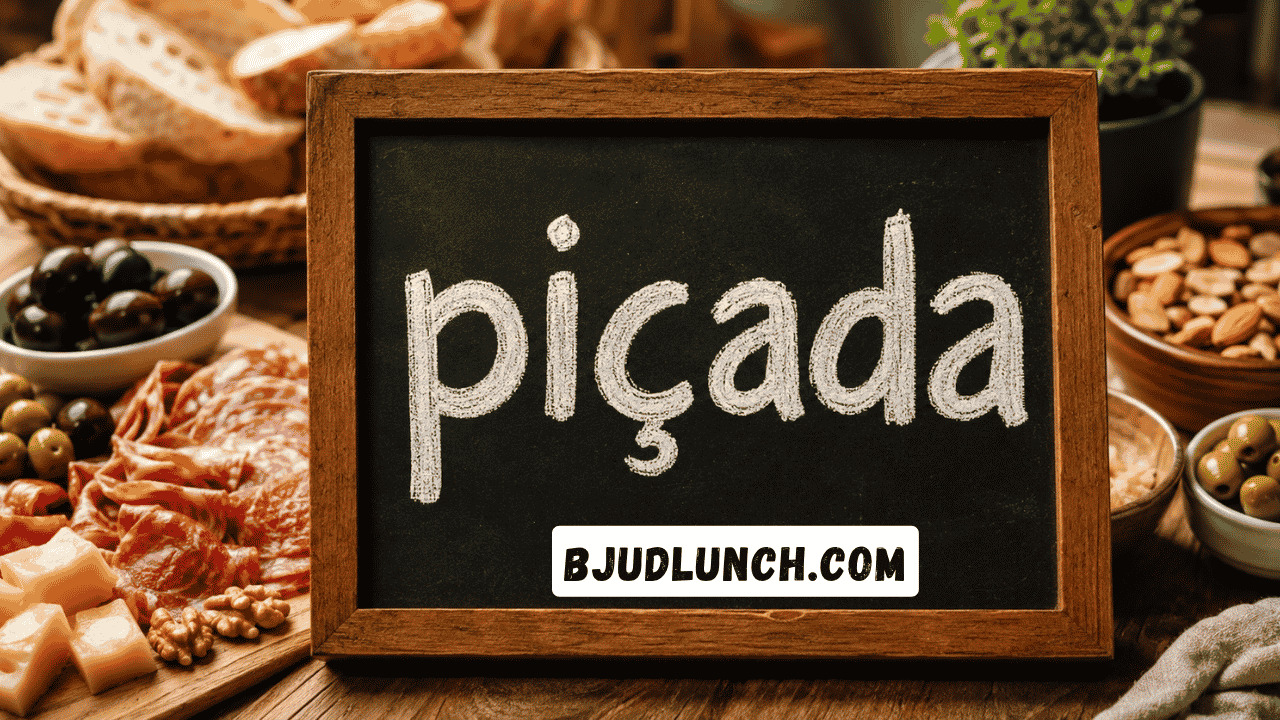
Although piçada itself is mainly discussed as slang, the related term “picada” carries strong food-related associations. In Argentina and Uruguay, a picada is a social food platter shared during gatherings. It usually includes sliced meats, cheese, olives, nuts, and bread served before meals or during casual conversations. The dish represents hospitality and social connection rather than formal dining.
Food bloggers often cover picada because it combines culture, tradition, and presentation. Since many users searching for piçada accidentally discover food-related content, there is overlap between language blogs and culinary websites. This creates additional opportunities for blog owners to target broader audiences interested in Latin food culture and language history.
Typical ingredients found in a traditional picada include:
- cured meats
- smoked sausages
- cheese varieties
- olives and pickles
- roasted nuts
- fresh bread and crackers
This culinary connection increases the search visibility of piçada-related content because search engines frequently associate both terms together.
How Search Trends Increased Interest in piçada
Search trends around piçada show how modern internet behavior can transform obscure words into popular keywords. When users repeatedly search for unfamiliar terms, content creators respond by publishing explanations, opinions, and interpretations. Over time, the keyword gains more authority and visibility across blogs and social platforms. Piçada is a clear example of this digital cycle.
Another reason piçada continues gaining attention is because readers enjoy discovering hidden meanings behind foreign-language words. Language curiosity content performs well because it mixes education with entertainment. Readers feel engaged when learning how words evolve, spread, and change meaning across cultures. This makes piçada a valuable keyword for informational blog websites.
Several reasons explain the keyword’s online growth:
- curiosity about foreign slang
- confusion between similar words
- rising interest in Portuguese culture
- social media discussions
- search engine recommendation systems
Because of these factors, piçada may continue attracting readers even if its exact meaning remains debated in certain online spaces.
Common Misunderstandings About piçada
One common misunderstanding is that piçada has a single universal definition accepted everywhere. In reality, slang words rarely work that way. Informal language depends heavily on social setting, tone, and regional culture. People expecting a strict dictionary definition may become confused when encountering multiple interpretations online.
Another misconception is that piçada automatically carries positive or poetic symbolism. While some websites present emotional or spiritual meanings, verified language references usually connect the word to slang or informal criticism. Readers should approach exaggerated interpretations carefully and focus on sources grounded in actual linguistic usage. This helps separate factual information from internet storytelling.
Some users also assume piçada is widely used in everyday Portuguese conversations across all regions. In practice, slang popularity varies significantly between communities. A term familiar in one city or online group may sound unfamiliar somewhere else. This regional flexibility is common in many languages, not just Portuguese.
Why piçada Works Well as a Blog Topic
The keyword piçada works particularly well for informational blogs because it combines language, culture, curiosity, and internet trends in one topic. Readers searching the term often spend more time on pages that explain context clearly and compare multiple meanings. This improves engagement metrics and can increase organic search visibility over time.
Another advantage is that piçada connects naturally to related topics like Portuguese slang, Latin American culture, and language confusion online. A single article can target multiple keyword variations while remaining useful to readers. This helps websites attract both language enthusiasts and casual internet users looking for quick explanations.
Blog owners can also expand the topic into related articles such as:
- Portuguese slang guides
- misunderstood foreign words
- Latin American food traditions
- internet search trend analysis
- cultural language differences
Because piçada remains relatively underexplored, there is still room for original content that explains the subject in a clear and readable way.
Conclusion
The growing popularity of piçada shows how internet culture can transform an unfamiliar slang term into a widely searched topic. While the word is mainly connected to Portuguese informal language and verbal criticism, online discussions have introduced many alternative interpretations that continue fueling curiosity. Much of the confusion comes from its similarity to “picada,” a word associated with food, cooking, and other meanings across different cultures. This overlap has created a strong opportunity for informational content that explains the differences clearly.
For blog websites, piçada offers an interesting mix of language education, cultural exploration, and search-driven curiosity. Readers are naturally drawn to words that carry mystery, conflicting definitions, or regional slang meanings. By presenting balanced explanations and organized information, writers can create useful content that remains relevant over time. As search interest continues growing, piçada will likely remain a keyword connected to language trends and online curiosity.
FAQs
What does piçada mean?
Piçada is generally connected to Portuguese slang and may refer to criticism, teasing, or a verbal reprimand depending on the context.
Is piçada the same as picada?
No, piçada and picada are different words. Picada is more commonly associated with food platters, cooking, or insect bites.
Why are people searching for piçada online?
People search for piçada because of social media discussions, language curiosity, and confusion caused by conflicting online definitions.
Is piçada commonly used in Portugal and Brazil?
The usage of piçada varies by region and social group. It is more connected to informal slang than formal language.
Can piçada have multiple meanings?
Yes, like many slang terms, piçada can carry different meanings depending on tone, location, and conversational context.