



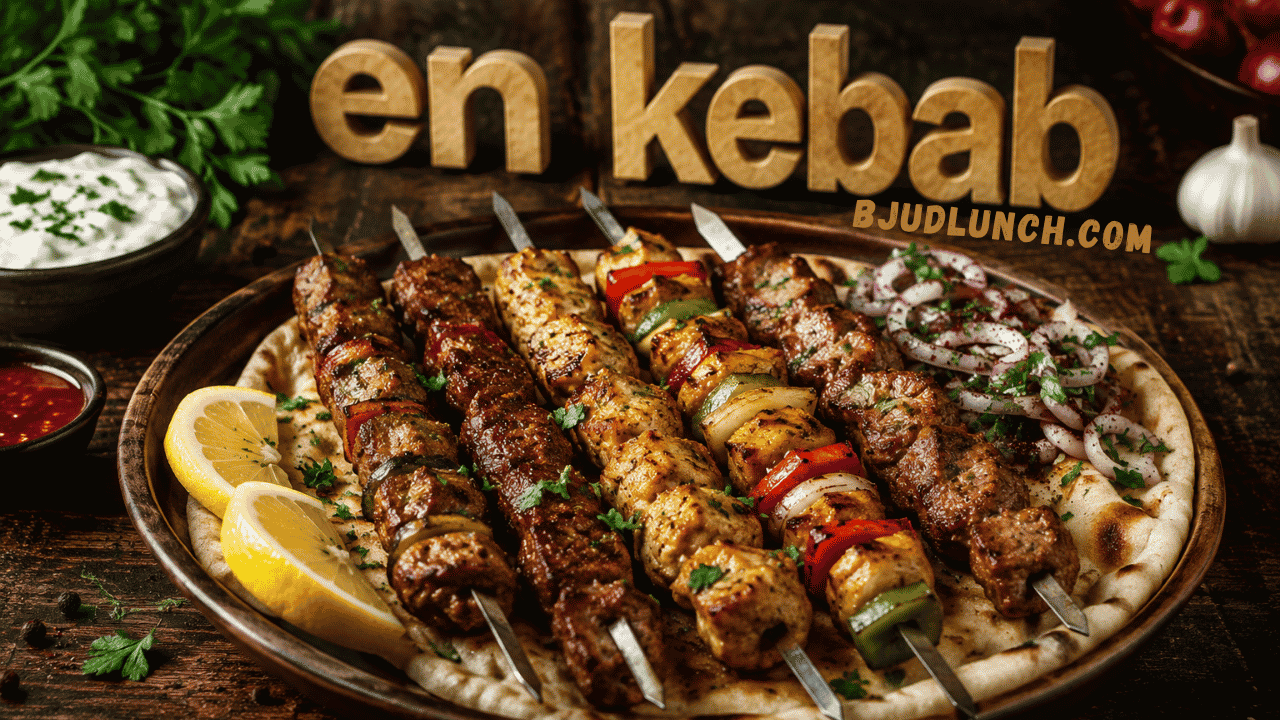
Food lovers around the world enjoy grilled meat dishes, but few have achieved the popularity of kebabs. People searching for en kebab are often interested in learning about its origins, ingredients, preparation methods, and the many styles available across different countries. From traditional recipes to modern street food versions, kebabs have developed into one of the most recognized meals in international cuisine. Their rich flavors and simple cooking methods have helped them remain popular for centuries. Today, en kebab is associated with delicious grilled meats, aromatic spices, and satisfying meals served in homes and restaurants alike.
Understanding the Meaning and Origins of en kebab
The term en kebab is commonly associated with traditional kebab dishes that originated in the Middle East and surrounding regions. Historians trace the roots of kebab to ancient times when meat was cooked over open flames by soldiers and travelers. Over the years, different cultures adapted the dish by introducing local spices and cooking techniques. The Ottoman Empire played a major role in spreading kebab traditions across many regions. As trade and migration increased, kebabs became popular throughout Europe, Asia, and other parts of the world.
Ancient cooking methods focused on simplicity and flavor, which made kebabs practical and easy to prepare. Meat was often skewered and roasted above charcoal fires to create a smoky taste. Communities gradually added herbs and seasonings according to regional preferences. These changes resulted in several famous varieties that are still enjoyed today. The history behind en kebab reflects centuries of culinary traditions and cultural exchange.
Why Kebab Became Popular Worldwide
One reason for the global success of kebabs is their versatility. Different countries adapted recipes to suit local tastes while preserving traditional cooking methods. Restaurants and street food vendors helped introduce kebabs to new audiences. Travelers and immigrants also played a major role in spreading these recipes. As a result, en kebab has become a familiar dish in many cities around the world.
Modern consumers appreciate meals that are flavorful and easy to customize. Kebabs can be prepared with beef, chicken, lamb, or vegetables depending on personal preferences. They are often served with bread, rice, salads, and sauces, making them suitable for different occasions. Families enjoy them during gatherings, while busy individuals appreciate their convenience. This wide appeal has helped en kebab maintain its popularity through generations.
Main Ingredients Used in Traditional Kebab Recipes
Traditional kebab recipes rely on fresh ingredients and carefully selected spices. The combination of meat and seasonings creates rich flavors that distinguish kebabs from other grilled dishes. Marinades are often used to tenderize the meat and enhance the overall taste. Fresh herbs and sauces add another layer of flavor. These ingredients contribute to the unique identity of en kebab.
Common ingredients include:
- Chicken, lamb, or beef
- Garlic and onions
- Yogurt-based marinades
- Black pepper and paprika
- Cumin and coriander
- Olive oil
- Fresh herbs
- Lemon juice
These ingredients can vary depending on regional traditions and personal preferences. Some recipes emphasize spicy flavors, while others focus on herbs and aromatic seasonings. Local ingredients also influence the final taste and presentation. Despite these differences, the core concept remains the same. This consistency is one reason why en kebab continues to attract food enthusiasts worldwide.
Different Types of Kebabs Around the World
Kebabs come in many forms, and each style reflects the traditions of a particular region. Some varieties are cooked on skewers, while others are prepared on rotating spits. Every version has its own unique texture and flavor profile. Cultural influences have contributed to the diversity seen today. These differences make exploring en kebab an enjoyable experience for food lovers.
Döner Kebab
Döner kebab originated in Turkey and later gained widespread popularity in Europe. Thin slices of seasoned meat are cooked on a vertical rotisserie and served with bread or rice. Vegetables and sauces are commonly added to enhance flavor. This style is especially popular as street food. Many restaurants around the world specialize in this preparation.
Shish Kebab
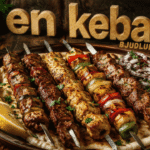
Shish kebab features pieces of marinated meat grilled on skewers. The cooking process creates a smoky flavor while keeping the meat tender. Vegetables are often included between the meat pieces for added color and taste. This version is common in Middle Eastern and Mediterranean cuisine. Its simplicity makes it a favorite among barbecue enthusiasts.
Seekh Kebab
Seekh kebab uses minced meat mixed with spices and herbs before being shaped around skewers. The mixture is then grilled until cooked thoroughly. This style is popular in South Asia and neighboring regions. The combination of spices creates a rich and aromatic flavor. Many people associate this variety with festive meals and family gatherings.
Adana Kebab
Adana kebab originated in Turkey and is known for its spicy seasoning. Ground meat is carefully blended with spices before being cooked over charcoal. The result is a juicy and flavorful dish with a distinctive taste. Flatbread and grilled vegetables are commonly served alongside it. This variety remains popular among those who enjoy spicy foods.
How en kebab Differs From Shawarma
People often compare kebabs with shawarma because both involve seasoned meat and similar ingredients. Despite these similarities, several differences exist between the two dishes. Cooking methods, spices, and serving styles vary significantly. Understanding these differences helps consumers appreciate each dish individually. Knowing these details also helps explain the identity of en kebab.
Some important differences include:
- Kebabs are commonly grilled on skewers.
- Shawarma uses a rotating vertical spit.
- Kebab recipes vary widely across countries.
- Shawarma often includes stronger spice blends.
- Serving styles differ depending on regional traditions.
Although both dishes are popular, each offers a unique dining experience. Their preparation methods influence texture and flavor in noticeable ways. Regional variations further distinguish one dish from another. Consumers often enjoy both depending on personal preferences. This comparison highlights the versatility associated with en kebab.
Popular Sauces Served With Kebabs
Sauces play an important role in enhancing the taste of grilled meat dishes. Many traditional recipes rely on creamy or spicy accompaniments that complement smoky flavors. Different cultures have developed their own signature sauces over time. These additions contribute to the overall experience. They also increase the popularity of en kebab among food enthusiasts.
Popular sauces include:
- Garlic sauce
- Yogurt sauce
- Tahini sauce
- Mint chutney
- Chili sauce
- Tomato-based sauces
These condiments provide balance and help create diverse flavor combinations. Some sauces offer refreshing notes, while others deliver spicy heat. Many people enjoy mixing multiple sauces to customize their meals. Fresh herbs and lemon juice often accompany these options. Together, they create memorable flavors that pair perfectly with kebabs.
Is en kebab a Healthy Food Choice?
Nutrition depends largely on ingredients and cooking methods. Grilled meats provide protein, vitamins, and minerals that support overall health. Choosing lean cuts of meat can help reduce fat intake. Fresh vegetables and balanced side dishes further improve nutritional value. For many people, en kebab can fit into a healthy eating plan.
Health-conscious individuals often prefer grilled chicken or lean beef versions. Using moderate amounts of oil and salt can make recipes lighter. Whole grain bread and salads provide additional nutrients and fiber. Portion control also plays an important role in maintaining balance. These factors allow people to enjoy flavorful meals without compromising dietary goals.
How to Make Restaurant-Style Kebab at Home
Preparing kebabs at home is relatively simple with proper ingredients and techniques. Marinating the meat beforehand improves tenderness and flavor. Charcoal grilling creates an authentic taste, although ovens and air fryers can also produce excellent results. Fresh vegetables and sauces complete the meal. Many home cooks appreciate the flexibility offered by en kebab recipes.
Basic preparation steps include:
- Choose fresh meat and vegetables.
- Prepare a flavorful marinade.
- Allow the meat to marinate for several hours.
- Grill or bake until fully cooked.
- Serve with bread, rice, or salad.
- Add sauces according to preference.
Home cooking allows people to customize flavors and ingredients. Families can experiment with different spice combinations to create unique recipes. Homemade versions also provide greater control over nutritional content. This flexibility makes kebabs suitable for many dietary preferences. As a result, en kebab continues to inspire cooks around the world.
Conclusion
Kebabs have a rich history that stretches across centuries and cultures. Their popularity comes from simple ingredients, flavorful spices, and countless regional variations. From döner and shish kebab to seekh and Adana styles, every version offers something unique. Sauces, side dishes, and cooking methods add even more variety to the experience. Whether enjoyed at a restaurant or prepared at home, en kebab remains one of the most beloved dishes in global cuisine.
FAQs
What is en kebab?
en kebab generally refers to traditional kebab dishes made with seasoned meat cooked over grills or skewers and served with bread, rice, or vegetables.
Which meat is commonly used in kebabs?
Chicken, beef, lamb, and minced meat are among the most common choices used in kebab recipes.
What is the difference between kebab and shawarma?
Kebabs are often grilled on skewers, while shawarma is usually cooked on a vertical rotating spit and sliced into thin pieces.
Can en kebab be made at home?
Yes, kebabs can be prepared at home using simple ingredients, marinades, and grilling or baking methods.
Is en kebab considered healthy?
When prepared with lean meat and served with vegetables and balanced side dishes, en kebab can be part of a nutritious diet.